%20(4).png)


.png)


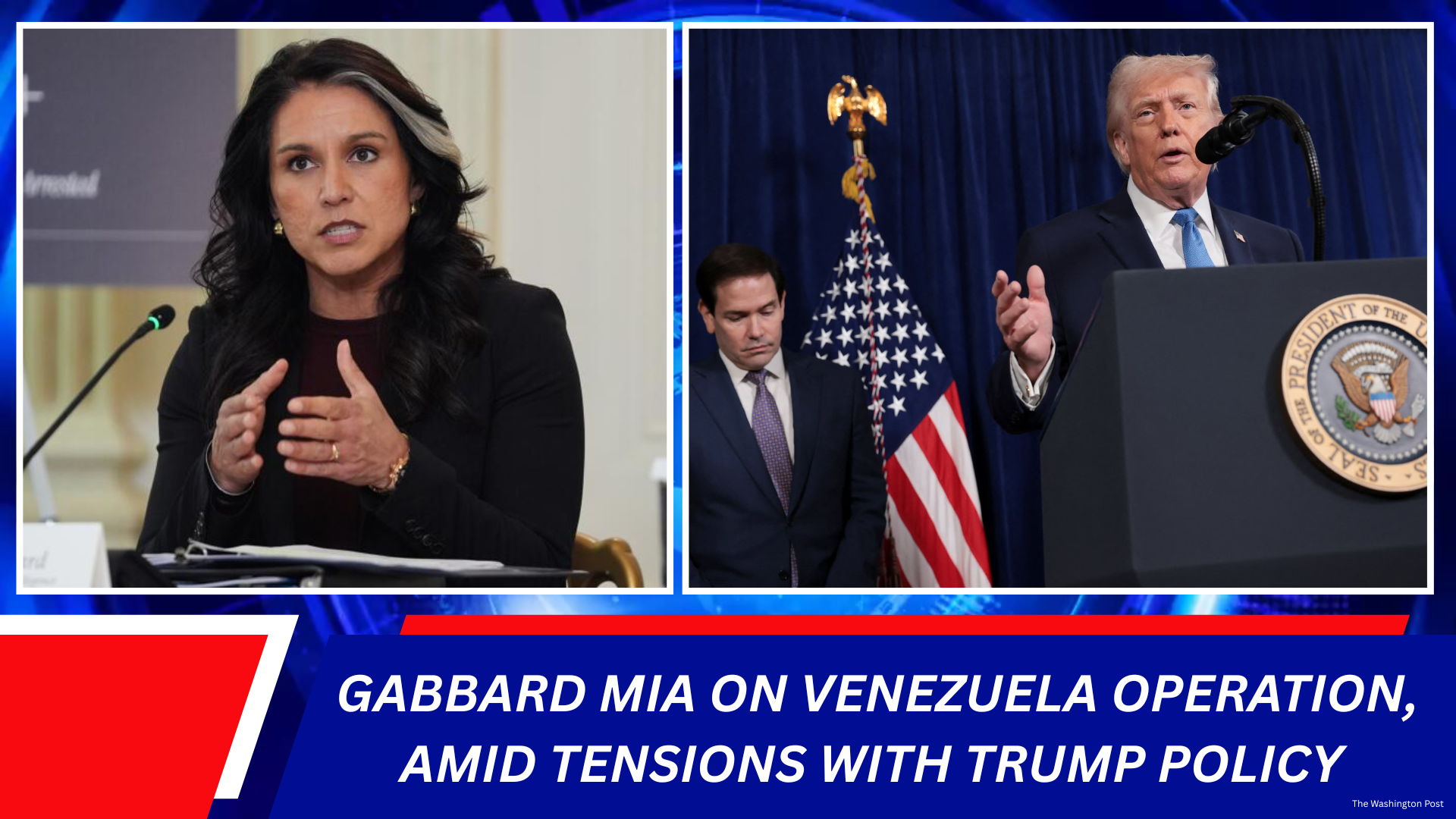
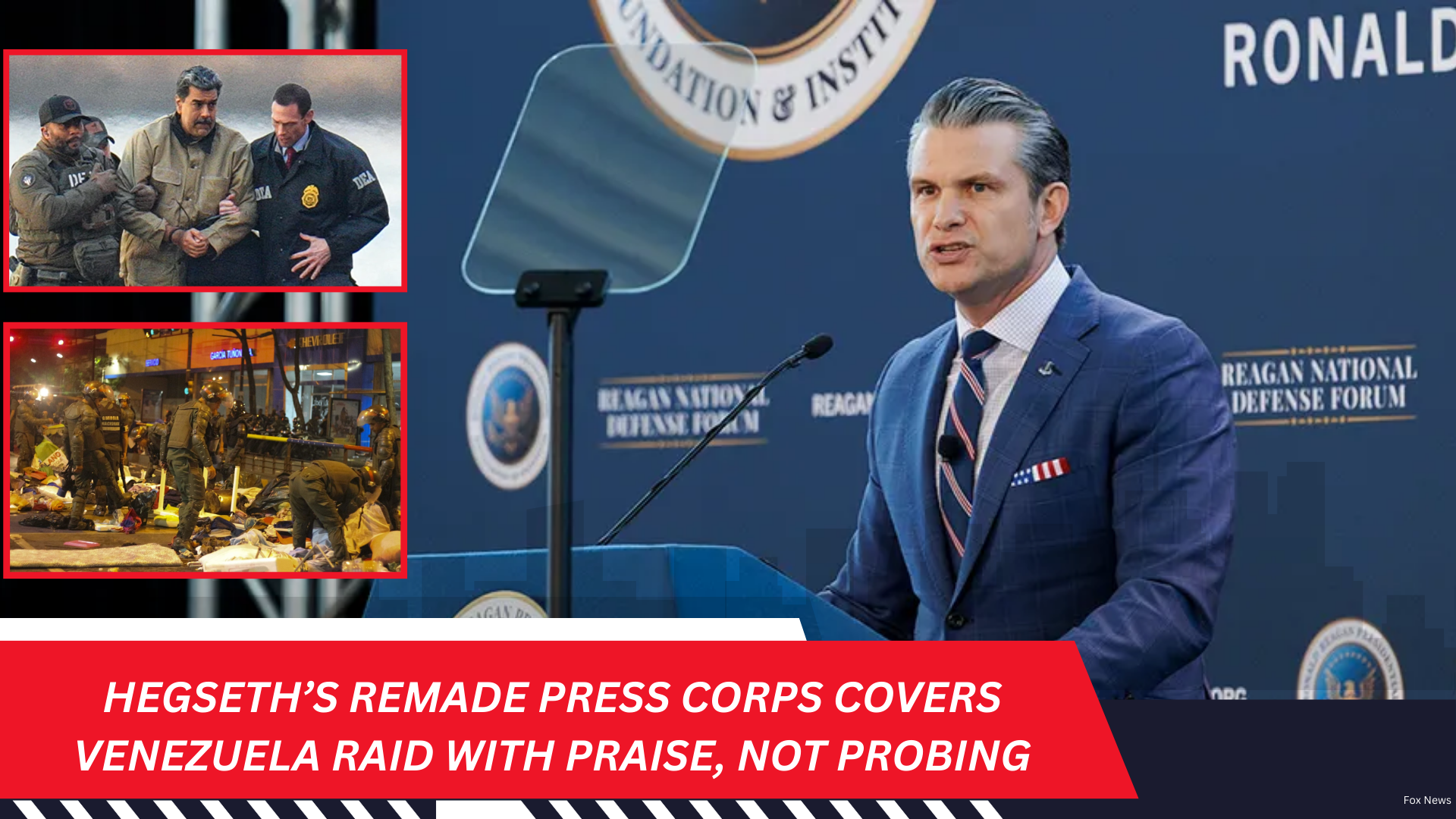
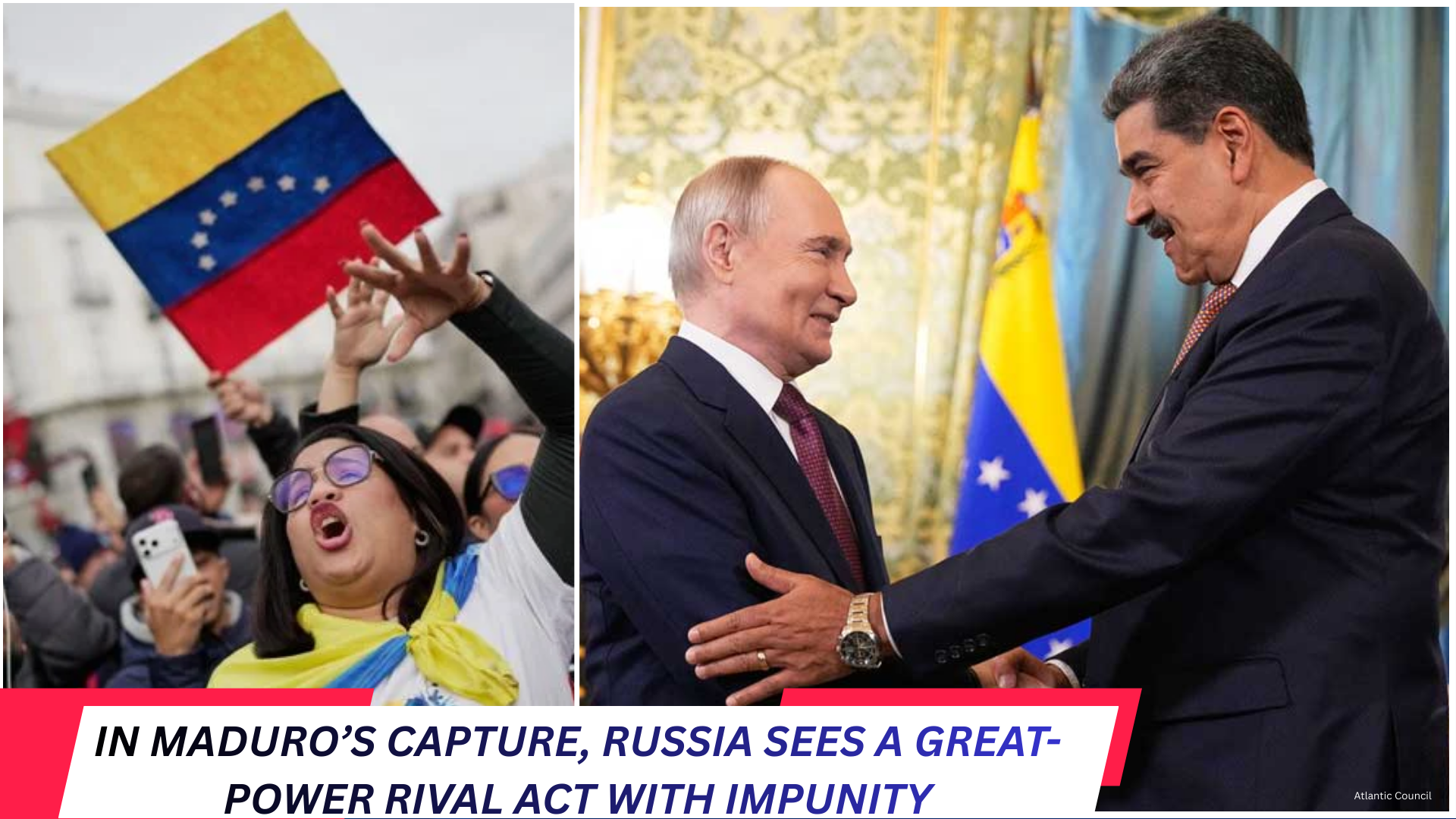
President Trump’s decision to launch a military operation in Venezuela, culminating in the capture of Nicolás Maduro, has injected foreign policy forcefully into the early contours of the upcoming U.S. midterm elections. While domestic issues traditionally dominate congressional races, history suggests that consequential actions abroad can reshape political alignments at home, particularly when they raise questions about executive power, national interest, and the limits of American intervention.
At its core, the Venezuela operation cuts across familiar partisan lines. For Trump and his allies, the intervention is framed as decisive leadership: enforcing the law against an indicted foreign leader, reasserting U.S. influence in the Western Hemisphere, and projecting strength after years of regional drift. For critics, it raises alarms about unilateral action, constitutional process, and the risk of entanglement without a clear end state. Those competing interpretations are now likely to filter down into congressional campaigns.
Republicans face a more complex landscape than might first appear. While many MAGA-aligned voters and conservative commentators have rallied behind the president, seeing the strike as consistent with strength and accountability, others within the party remain uneasy. A strand of Republican skepticism toward foreign intervention has grown over the past decade, particularly among voters who associate overseas military action with long wars and unclear objectives. Candidates in competitive districts may find themselves balancing support for the president with assurances that they oppose open-ended commitments or nation-building abroad.
For Democrats, the intervention offers both an opportunity and a challenge. Party leaders have criticized the operation on procedural and legal grounds, arguing that Congress was sidelined and that international norms were disregarded. That message may resonate with voters concerned about executive overreach and institutional accountability. At the same time, Democrats must avoid appearing reflexively opposed to national security actions, especially in districts where voters value firmness against crime, narcotics trafficking, and perceived threats close to U.S. borders.
Foreign policy rarely moves voters uniformly. Its electoral impact often depends on whether events abroad translate into tangible domestic consequences. In this case, rhetoric suggesting that the United States might temporarily “run” Venezuela has heightened scrutiny. If voters perceive the operation as drifting toward prolonged involvement, concerns about cost, distraction from domestic priorities, and military overextension could grow. Conversely, if the administration maintains that the action was limited and avoids escalation, supporters may point to it as evidence of controlled, effective leadership.
The role of Congress itself may become a focal point. Lawmakers from both parties have already called for clearer briefings and oversight. That dynamic could elevate debates about war powers, the balance between the executive and legislative branches, and the importance of institutional checks. Candidates with backgrounds in law, military service, or national security may lean into these themes, presenting themselves as responsible stewards of authority rather than ideological partisans.
Voter response will also vary by region. In districts with large Latino populations, particularly those with Venezuelan, Cuban, or Nicaraguan communities, reactions may be shaped by personal histories and attitudes toward leftist governments in Latin America. Some voters may welcome decisive action against Maduro, while others may fear instability, humanitarian fallout, or precedent-setting intervention. Campaigns in these areas are likely to tread carefully, emphasizing empathy and stability over sweeping rhetoric.
Media coverage and public debate will play a role in shaping perceptions. If the intervention remains limited and fades from headlines, its electoral impact may be modest. If, however, developments continue to unfold — legal challenges, international backlash, or economic consequences — foreign policy could remain salient through the campaign season. In such cases, candidates will be pressed to articulate clear positions rather than relying on party cues.
Historically, midterm elections often serve as a referendum on presidential leadership. Foreign interventions can amplify that dynamic by crystallizing broader judgments about competence, restraint, and judgment. Yet they rarely determine outcomes on their own. Inflation, healthcare, immigration, and public safety are still likely to weigh more heavily for most voters. The Venezuela operation enters that mix as a complicating factor rather than a defining one.
What is clear is that Trump’s intervention has altered the political conversation. It has reminded voters that foreign policy decisions carry domestic consequences and that questions of power, accountability, and national interest are not abstract. Whether those questions shift votes at the margins or simply reinforce existing loyalties will depend on how events unfold — and how credibly candidates address both the risks and responsibilities of American leadership abroad.