%20(4).png)


.png)


The international spotlight on Venezuela intensified following the reported capture of President Nicolás Maduro and his wife, Cilia Flores, during a U.S. military operation. Governments, international organizations, and legal authorities worldwide have voiced increasing calls for accountability, citing long-standing allegations of narcotics trafficking, corruption, and human rights violations associated with the Maduro administration.
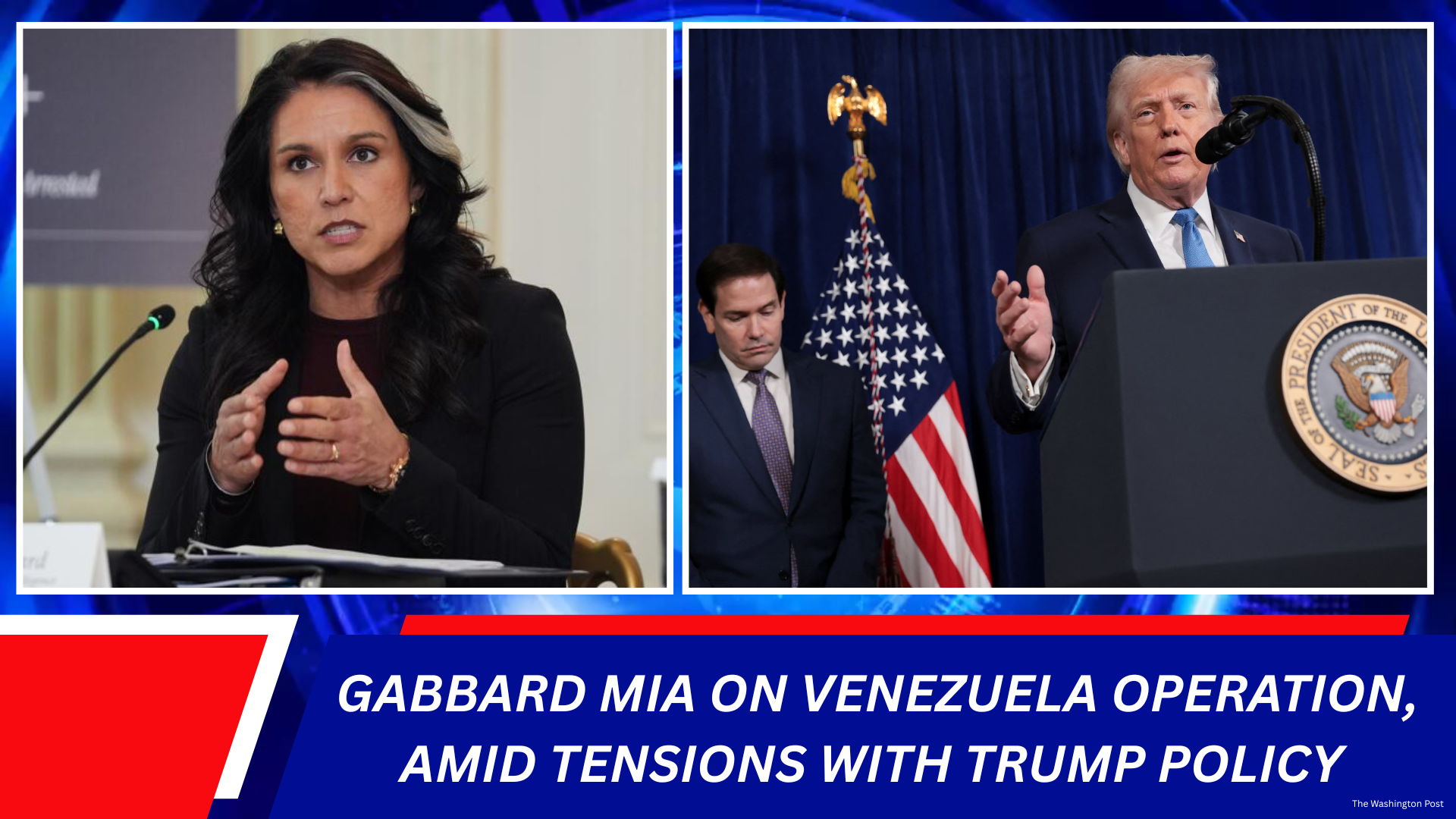
The United States has framed its action as a lawful enforcement of indictments dating back several years, emphasizing that the operation targets criminal networks and is aimed at safeguarding regional and global security. Former President Donald Trump described the mission as a “large-scale strike” executed with precision, underlining the United States’ commitment to holding Maduro accountable. U.S. officials say the couple will face prosecution in federal courts for drug-related offenses.
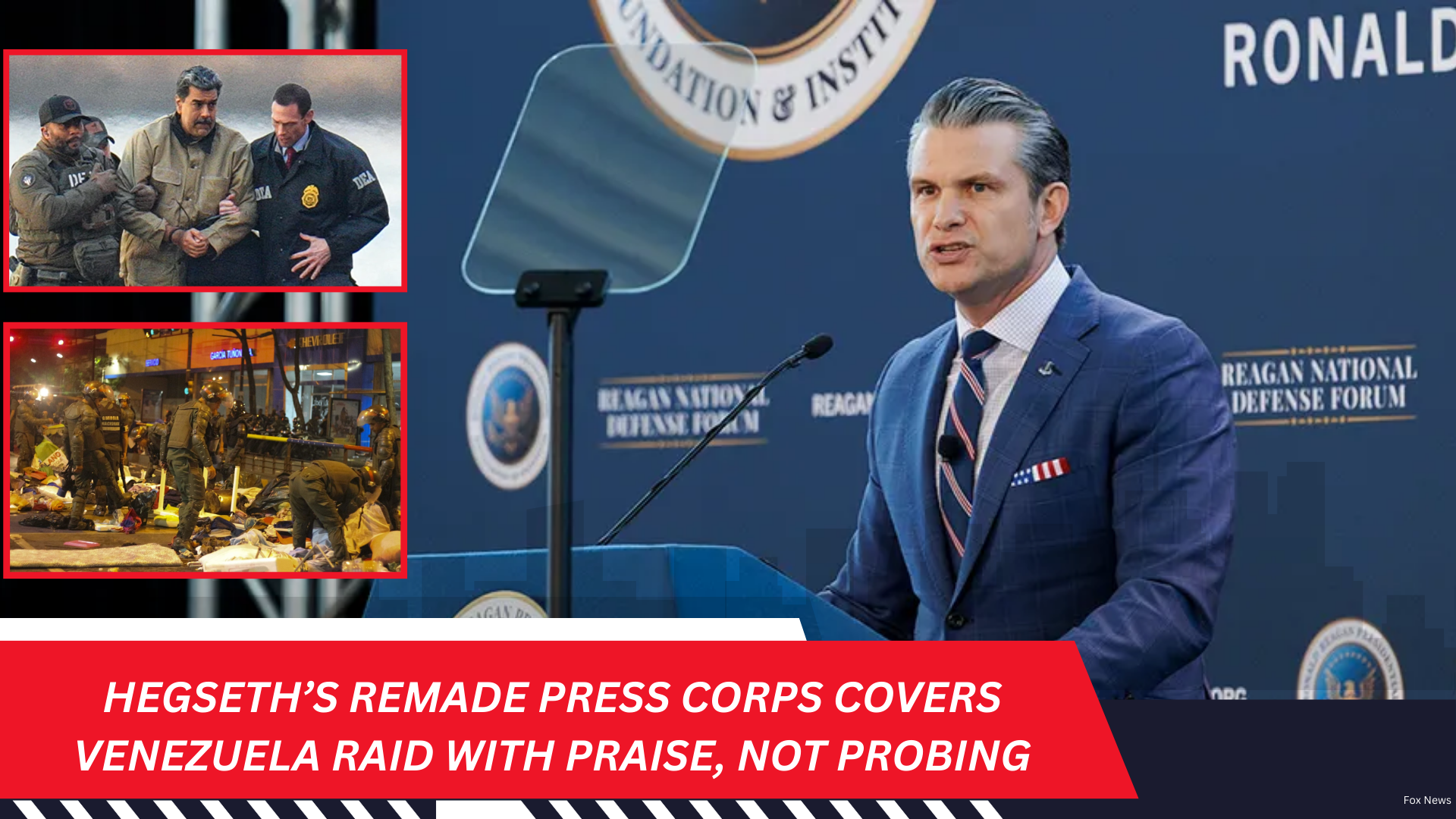
Venezuelan authorities, however, have rejected the claims of capture and prosecution, calling the U.S. action a violation of sovereignty and international law. Vice President Delcy Rodríguez demanded proof of life for the president, while state media described the strikes as an unlawful assault and called on citizens to resist. Local reports indicate explosions in Caracas and other areas, along with temporary power outages, which have heightened concern for civilian safety.
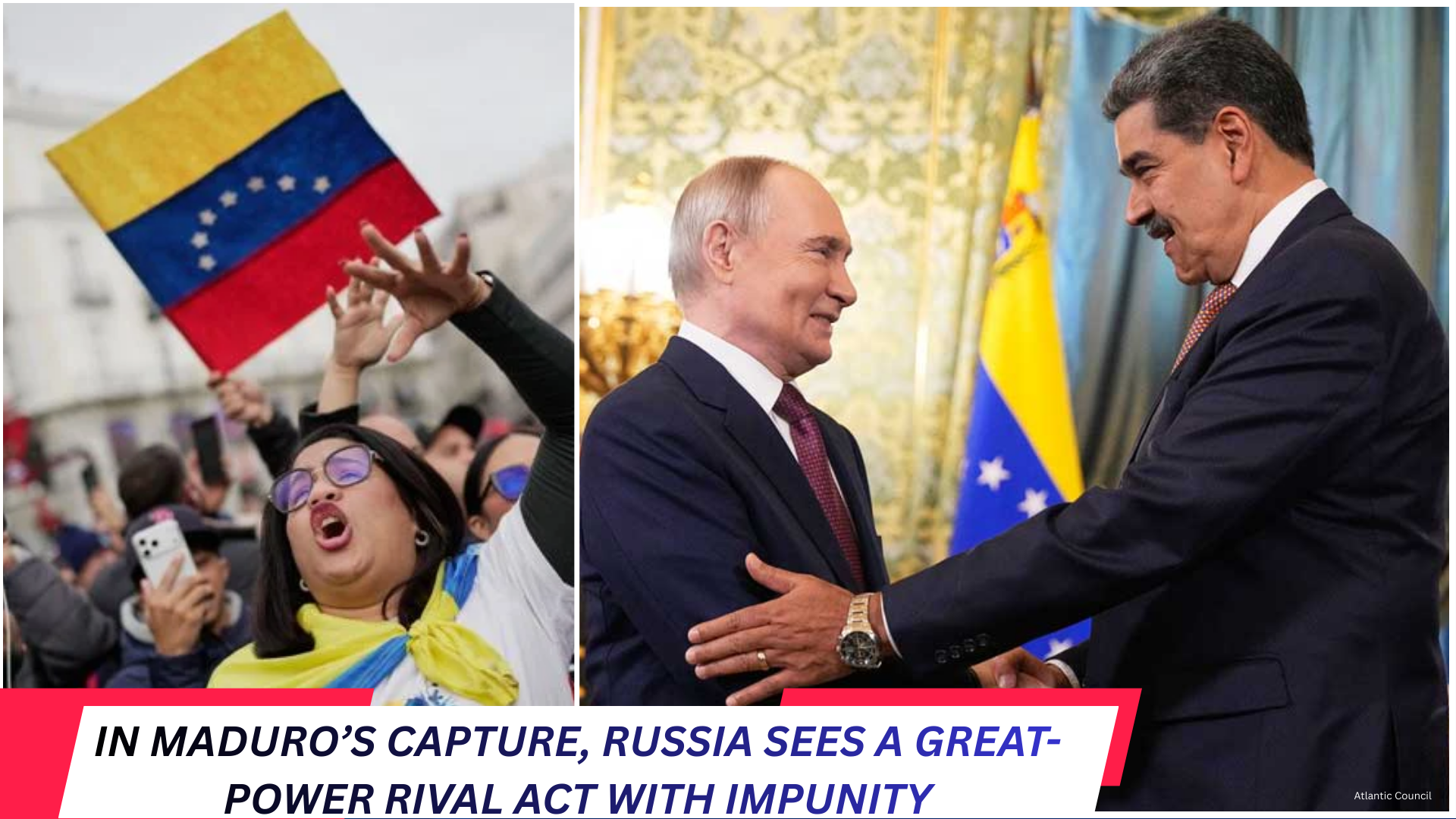
International reaction has been swift and sharply divided. Several Latin American countries, including Brazil, Mexico, and Cuba, condemned the operation as a breach of Venezuelan sovereignty, urging the United Nations and regional bodies to intervene. Russia and Iran also denounced the action, describing it as a precedent-setting violation of international norms. Meanwhile, some Western nations expressed cautious acknowledgment of Venezuela’s governance challenges but emphasized that any enforcement measures must respect legal and diplomatic frameworks.
Legal experts highlight the unprecedented nature of attempting to arrest a sitting head of state through extraterritorial action. While the U.S. bases its operation on federal indictments, questions remain about international law, the principles of sovereignty, and the broader implications for global norms governing state conduct. Observers note that the action sets a complex precedent and could influence how countries address transnational crime in politically sensitive contexts.
The potential consequences extend beyond legal debates. Venezuela’s oil sector, already central to the country’s economy and global energy markets, could be directly affected by shifts in governance or U.S. oversight. Analysts warn that changes in management or influence over petroleum production may alter regional energy dynamics and reshape relations with countries currently invested in Venezuelan energy, including Russia, China, and Iran.
Regional stability is also at stake. The Venezuelan constitution stipulates that the vice president assumes leadership in the event of a president’s removal, yet the operational and political environment following a foreign military action remains unpredictable. Loyalist factions, civilian populations, and military personnel may respond variably, raising the risk of unrest or escalation. Humanitarian concerns are immediate, as Caracas has experienced disruptions to electricity, emergency services, and basic infrastructure in the aftermath of reported strikes.
Analysts note that international pressure to arrest or prosecute Maduro has been building for years. The United Nations, Interpol, and several Western governments have repeatedly condemned alleged abuses by the Venezuelan government, ranging from human rights violations to involvement in narcotics trafficking. However, practical enforcement mechanisms have been limited, with sanctions and diplomatic isolation often serving as the primary tools for applying pressure. The U.S. operation marks a stark intensification in the approach, moving from economic and diplomatic levers to direct action.
The episode highlights a broader tension in global governance: enforcing accountability for alleged criminal behavior versus upholding sovereignty and international norms. While U.S. officials emphasize the legal basis for their intervention, critics argue that unilateral military action risks destabilizing the region, undermining multilateral mechanisms, and setting a precedent for extraterritorial enforcement of domestic laws.
As events continue to unfold, attention is focused on verification. Independent confirmation of Maduro’s capture remains limited, and conflicting statements from Venezuelan authorities create uncertainty. International organizations and observers have called for transparency, humanitarian access, and careful monitoring to prevent civilian harm. The situation remains fluid, and subsequent reporting is expected to clarify the extent of U.S. control and the legal and political consequences of the operation.
The intensification of international calls for Maduro’s arrest underscores the global stakes involved. Countries and organizations advocating for accountability highlight the importance of enforcing law while minimizing the risk of escalation, whereas others stress that respecting sovereignty and legal norms is essential to maintaining regional stability. The convergence of military action, legal enforcement, and diplomatic pressure illustrates the complex intersection of domestic criminal accountability and international relations in a highly polarized context.