%20(4).png)


.png)


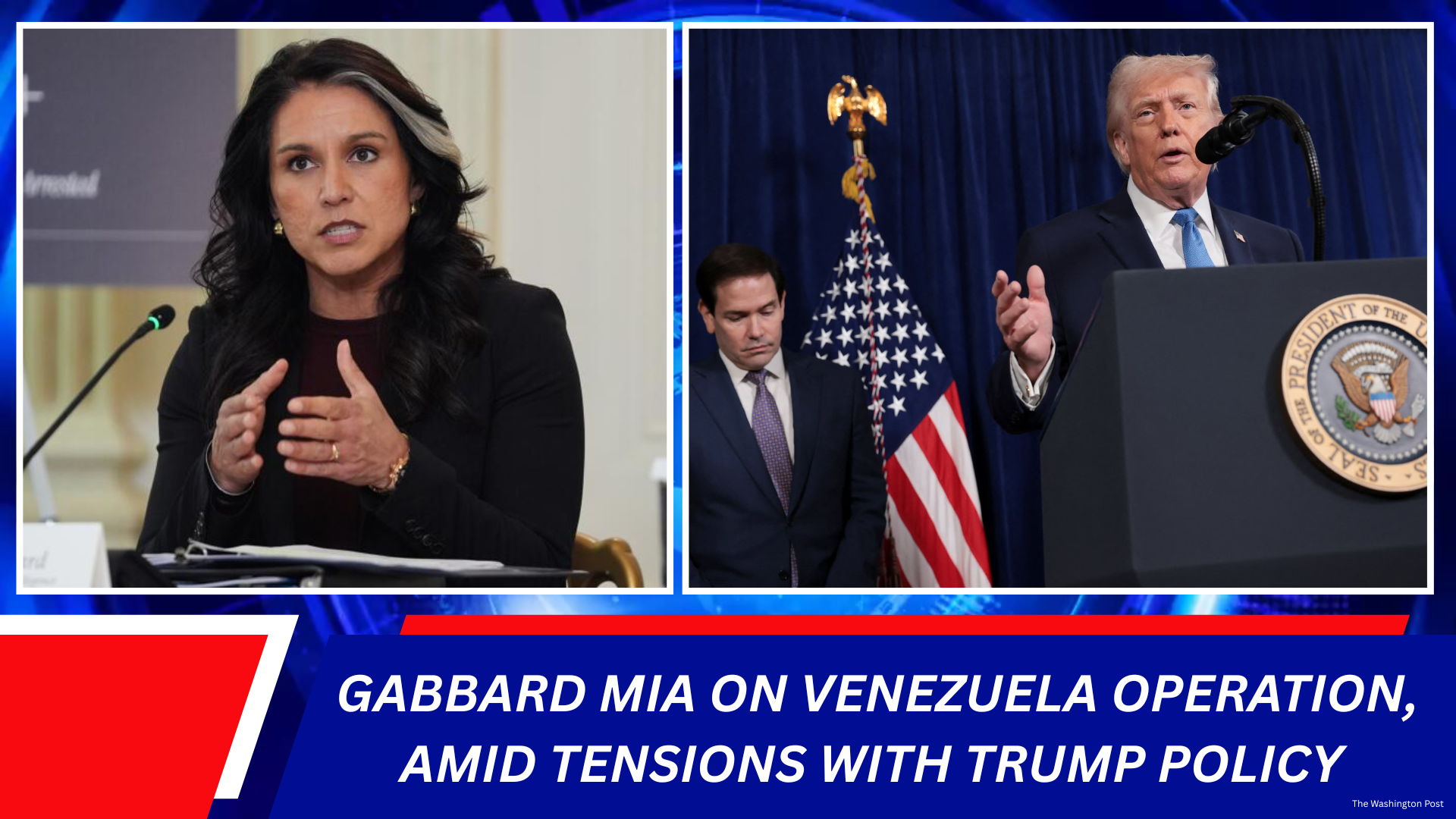
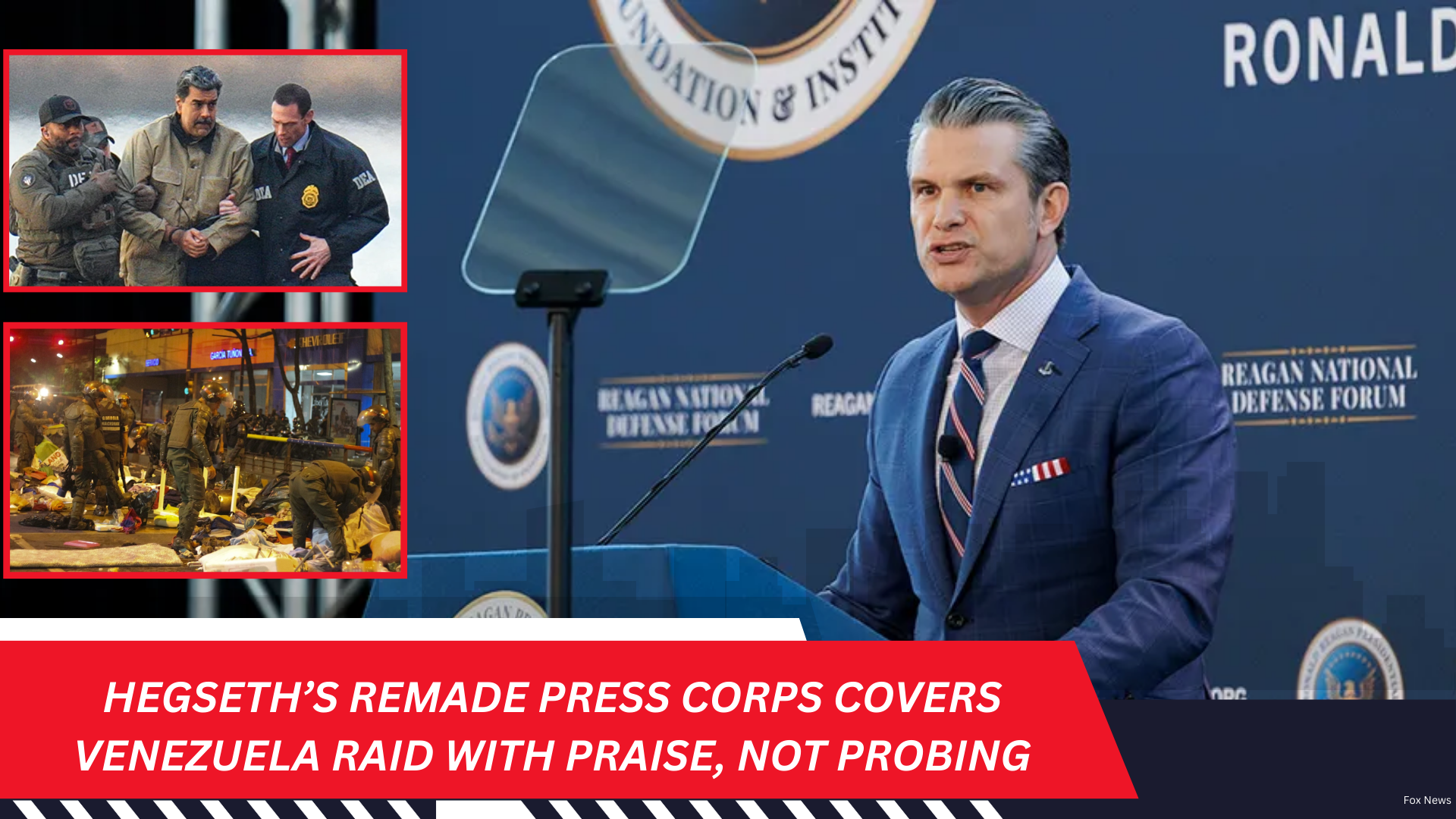
The situation in Venezuela reached an extraordinary point on January 3, 2026, when the United States announced a military operation in Caracas that reportedly resulted in the capture of President Nicolás Maduro and his wife, Cilia Flores. According to U.S. officials, both are now in American custody and are expected to face federal charges related to narcotics trafficking, including indictments that predate the operation. Former President Donald Trump described the strikes as a “large-scale operation” aimed at enforcing longstanding criminal charges, emphasizing that the United States would pursue accountability even for a sitting foreign head of state.
The announcement, and the nature of the operation itself, have drawn immediate attention from governments, analysts, and the press worldwide. U.S. officials framed the operation as a continuation of a multi-year effort to counter networks allegedly linked to the Maduro government and to protect regional security and international law enforcement objectives. They emphasized that the operation was carefully planned, limited in duration, and targeted specific facilities associated with criminal activity.
At the same time, Venezuelan authorities have strongly disputed the U.S. claims. Vice President Delcy Rodríguez and other senior officials have demanded proof of life and called the operation a violation of national sovereignty. State media described explosions and aerial maneuvers in Caracas during the early hours of the strike, and reports indicated temporary power outages and emergency mobilizations across parts of the capital. The Venezuelan government has stressed that the operation constitutes an illegal attack and has called for international monitoring and intervention to assess the impact.
The divergence between U.S. and Venezuelan accounts underscores the difficulty of independently verifying events in real time. Eyewitness accounts confirm explosions and aerial activity, but confirmation of Maduro’s capture remains limited outside official American statements. This gap has fueled uncertainty, with analysts noting that claims of a captured head of state are unprecedented in recent history and carry both legal and geopolitical weight.
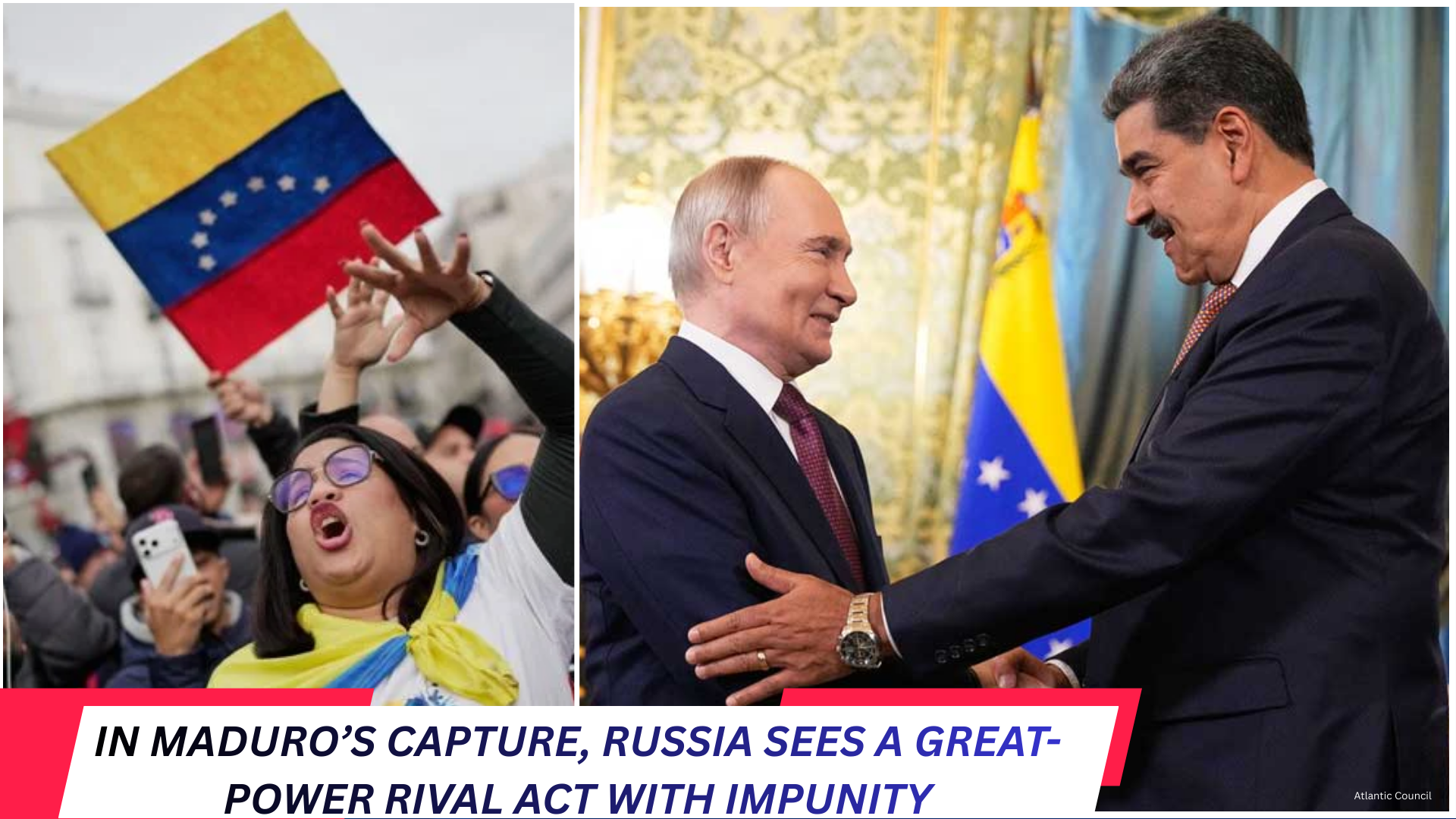
International reactions have been immediate and sharply divided. Brazil’s president described the U.S. action as a breach of Venezuelan sovereignty and called for urgent discussion at the United Nations. Mexico, Russia, and other countries voiced similar concerns, stressing that unilateral military operations of this nature raise questions about international law, the principles of non-intervention, and regional stability. Western nations allied with the United States have been more cautious, acknowledging concerns over Venezuela’s governance record while expressing unease about the broader precedent created by an extraterritorial capture. The episode highlights a tension in international diplomacy: balancing law enforcement objectives with respect for national borders and norms of sovereignty.
The oil sector, which underpins Venezuela’s economy, is a key factor in the geopolitical stakes. Caracas has long depended on revenue from its oil industry, which produces over one million barrels per day—down from its historical capacity due to decades of underinvestment, sanctions, and declining output. Control over this resource is central to both domestic governance and international relations. U.S. statements in the wake of the operation suggest that Washington may take an active role in managing or influencing the Venezuelan oil industry. Analysts have noted that such involvement could affect global oil markets, alter regional energy dynamics, and reshape alliances with countries currently engaged in Venezuelan energy ventures, including Russia, China, and Iran.
Domestically in Venezuela, the implications are significant. Should Maduro be removed from power, the Venezuelan constitution designates the vice president as the immediate successor. This transition, however, would take place under conditions of extraordinary tension, with loyalist factions, military elements, and civilian populations reacting to an unprecedented external intervention. Observers note that maintaining order and avoiding widespread violence will be a central challenge in the days and weeks following the operation.
From a legal perspective, the operation raises complex questions. International law generally prohibits the use of force against sovereign states except in cases of self-defense or with explicit United Nations authorization. The U.S. government justifies its action on the grounds of enforcing criminal indictments for drug trafficking, but the extension of law enforcement to the territory of a foreign sovereign is without clear precedent. This has sparked debate among legal scholars and policymakers about the limits of extraterritorial authority, the enforceability of U.S. indictments abroad, and the balance between combating transnational crime and respecting international norms.
The human and humanitarian dimensions are also significant. Caracas experienced explosions and disruption to essential services, with residents reporting brief power outages and uncertainty about safety. Humanitarian observers have highlighted the potential for escalation in a highly polarized political environment, noting that civilian populations often bear the brunt of rapid military interventions, especially when they coincide with already fragile infrastructure and public services.
Analysis of the current situation shows a clear divide between the U.S. and Venezuelan narratives. U.S. officials assert the operation’s success, emphasizing the capture of the president as evidence of enforcement of justice. Venezuelan authorities, conversely, contest the claim and frame the action as politically motivated and illegal. Independent verification remains limited, and international observers have yet to confirm the details. As a result, the full facts may not be immediately known, and subsequent reporting may adjust or clarify the initial claims.
The broader implications for the Western Hemisphere are substantial. Latin American countries are closely monitoring the event, aware that it could reshape the balance of power and influence in the region. It may also affect U.S. relations with regional allies, international energy markets, and the global approach to transnational criminal networks. Observers anticipate intense diplomatic activity in the coming days as governments weigh responses and consider the long-term ramifications for regional stability.
In conclusion, the reported capture of Nicolás Maduro represents a high-stakes intersection of law enforcement, military intervention, and international diplomacy. While U.S. officials assert that justice is being enforced, the legal, political, and humanitarian consequences are likely to unfold over the coming weeks. Independent verification remains limited, and the situation is fluid. The episode underscores both the potential and the risks inherent in extraterritorial operations and highlights the broader challenges facing states attempting to enforce accountability while respecting sovereignty and international norms.