%20(4).png)


Cilia Flores, the wife of former Venezuelan President Nicolás Maduro, has long been recognized as a central figure in the country’s political landscape. While Maduro often represented the public face of the government, Flores operated as the strategic architect behind much of the regime’s decision-making. Her influence extended far beyond the ceremonial role of a first lady; she helped shape legislative priorities, judicial appointments, and the internal workings of the ruling party. Analysts and insiders frequently describe her as the “brains” of the Maduro-Flores partnership, while Maduro provided the visible “brawn,” carrying the political weight of the presidency and the public persona of Chavismo’s continuity.
Flores’s political career began long before Maduro assumed the presidency. She first gained prominence as a lawyer defending Hugo Chávez in the aftermath of his failed coup attempt in 1992. That defense forged early connections within the Bolivarian movement and solidified her reputation as a skilled legal and political operator. Her early career also included serving as a prosecutor and taking on roles within the legal framework of the emerging Chavista state. These positions allowed her to develop an intricate understanding of Venezuela’s political and judicial systems, laying the groundwork for her later influence at the highest levels of government.
Her ascent continued as she was elected to the National Assembly in 2000 and later became its first female president in 2006. In that role, Flores exercised significant authority over legislative processes, steering policy initiatives in alignment with Maduro and Chávez’s political objectives. She also wielded influence over judicial appointments, ensuring that key positions were filled with loyalists who would support the ruling coalition’s broader agenda. These moves reinforced the centralization of power within the executive and parliamentary apparatus and underscored her role as a decisive, behind-the-scenes figure within the government.
Flores’s partnership with Maduro has often been described as complementary. While Maduro managed the public image of leadership and navigated high-profile diplomatic and political challenges, Flores focused on institutional strategy, internal party management, and the legal mechanisms that allowed the government to maintain control. Allies referred to her as the “first combatant,” a title emphasizing her active participation in policy formation, personnel decisions, and broader governance strategies. Her involvement spanned domestic legislation, electoral politics, and state-level decision-making, making her one of the most consequential figures in Venezuela’s political hierarchy.
Throughout her tenure, Flores’s influence drew both admiration and criticism. Supporters praised her skill in consolidating the government’s hold on institutions and navigating complex political environments. Critics, however, argued that her consolidation of power contributed to the erosion of institutional independence and the politicization of judicial and legislative bodies. These critics contend that her approach reinforced a system in which loyalty to the ruling coalition often superseded legal and administrative norms, contributing to institutional fragility and public mistrust.
Her family connections have also been a source of scrutiny. Two of her nephews were convicted in the United States for drug trafficking activities, which authorities alleged were tied to political operations. While Flores denied direct involvement in these crimes, the cases highlighted the blurred lines between political authority and criminal networks within the government’s inner circle. These developments foreshadowed the legal challenges she and Maduro would later face.
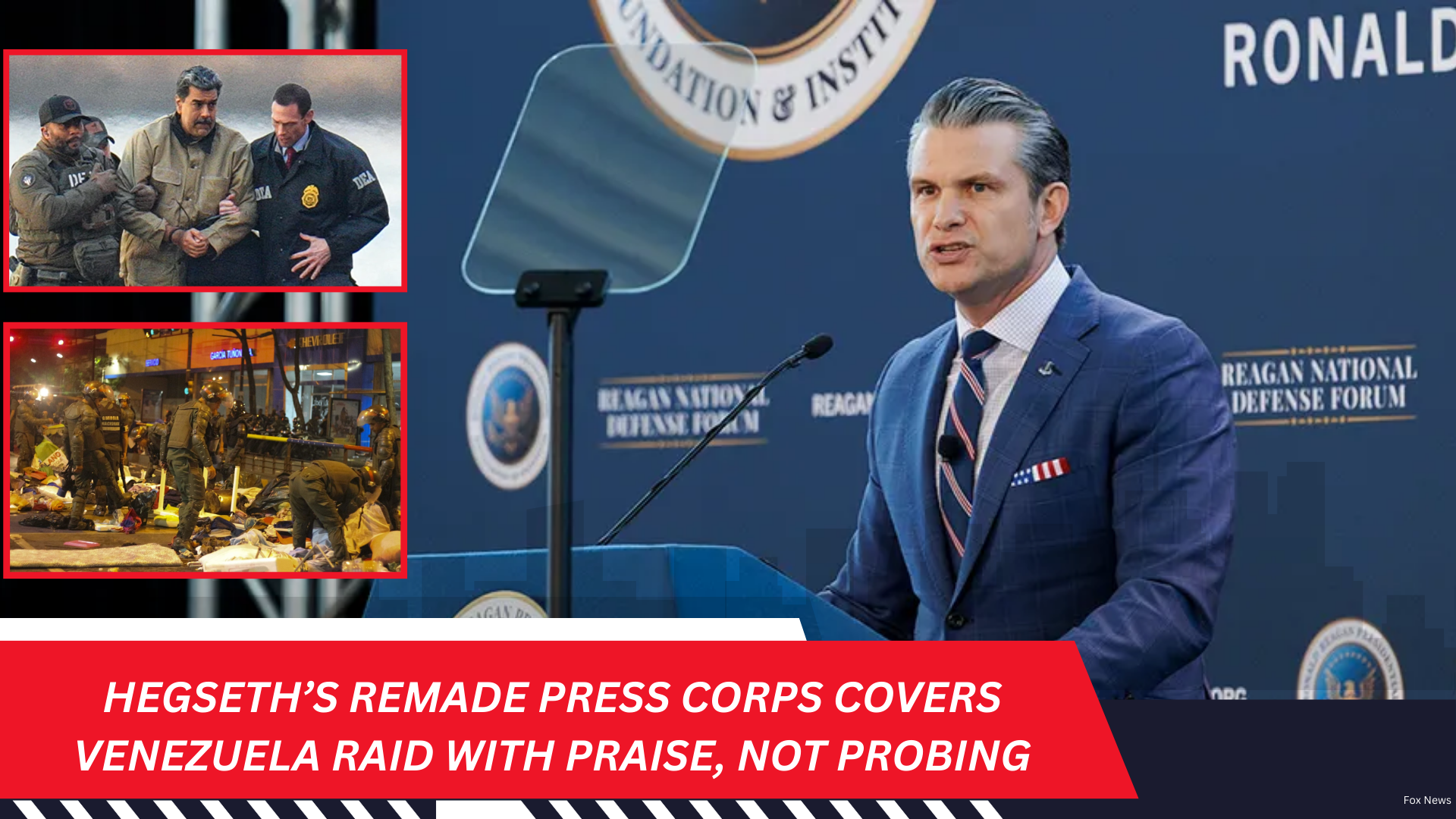
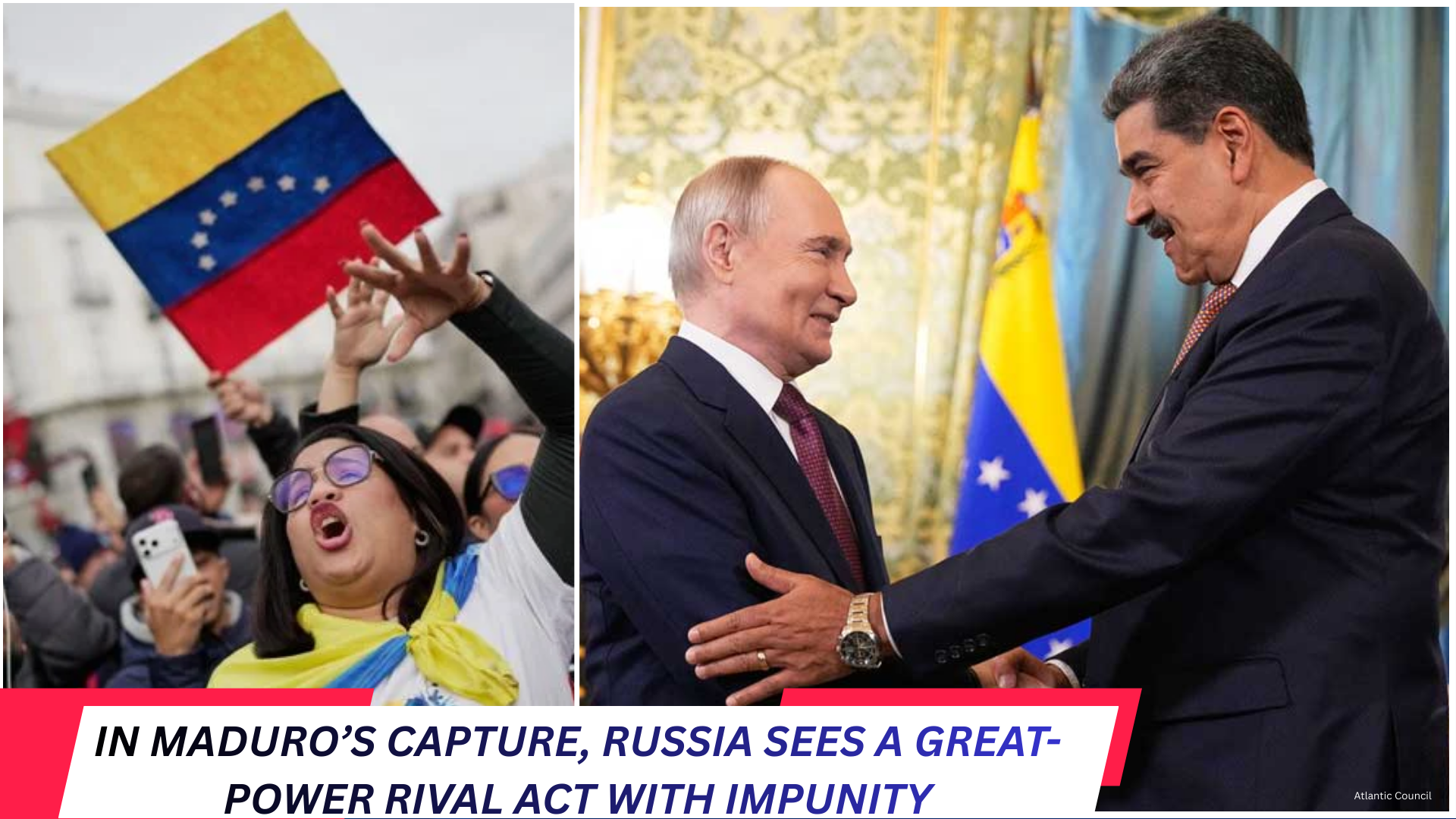
The turning point in Flores’s political and personal trajectory came in January 2026 when U.S. forces conducted a military operation in Caracas, capturing her and Maduro. They were subsequently flown to New York to face federal charges, including narco-terrorism and cocaine-trafficking offenses. During her initial court appearance, Flores pleaded not guilty, maintaining her innocence while asserting her status as the former first lady of Venezuela. Reports indicated she sustained injuries during the operation, including head wounds and potential rib damage, underscoring the high-stakes nature of the raid and the risks associated with the capture of sitting political leaders.
The legal implications for Flores are significant. U.S. authorities have cited her role as evidence of systemic corruption and criminal complicity at the highest levels of the Venezuelan government. Critics of the U.S. operation argue that detaining foreign political leaders extraterritorially raises questions about sovereignty and international law, framing the case as a complex intersection of diplomacy, justice, and strategic enforcement.
Within Venezuela, public reactions to Flores’s capture have been mixed. Loyalists to the Maduro regime have protested her detention, while opponents see it as overdue accountability for years of mismanagement and alleged criminal activity. The country is in a transitional phase, with interim leadership working to stabilize institutions and manage international scrutiny. Flores’s legal fate, intertwined with the broader political transformation, remains a key question in understanding Venezuela’s path forward.
Beyond her legal challenges, Flores’s career exemplifies the dynamics of power in modern Venezuelan politics. Her trajectory illustrates how influence can be exercised effectively behind the scenes, complementing public leadership while shaping the broader institutional and political environment. Whether one views her actions as strategic governance or as authoritarian consolidation depends on perspective, but there is no question that Flores played a central role in defining her country’s political landscape over the past two decades.
In conclusion, Cilia Flores’s story reflects the convergence of legal skill, political strategy, and personal influence. Her work behind the scenes as the “brains” of the Maduro-Flores partnership allowed the regime to navigate complex challenges, but it also positioned her at the center of international legal scrutiny following her capture. As proceedings continue, her case will not only define her personal future but also serve as a measure of accountability for the broader Venezuelan political system and its interactions with international law.