%20(4).png)


.png)


The international response to the U.S. military operation in Venezuela, which resulted in the detention and transfer of Nicolás Maduro to American custody, continues to broaden and deepen, revealing sharp divisions over sovereignty, legality, and the proper limits of power. What Washington has described as a targeted enforcement action has quickly become a defining moment in global diplomacy, one that many governments are assessing not only for its immediate impact on Venezuela, but for what it signals about the future conduct of major powers.
U.S. officials maintain that the operation was grounded in long-standing criminal indictments against Maduro, including allegations related to narcotics trafficking and terrorism-linked activity. The administration has argued that years of sanctions, diplomatic isolation, and international pressure failed to produce accountability, leaving enforcement as the only remaining option. President Trump has framed the action as a necessary step to restore order and security, repeatedly emphasizing that the United States now bears responsibility for stabilizing conditions on the ground.
That framing, however, has unsettled allies and adversaries alike. In Caracas, Venezuelan officials denounced the operation as an illegal act of aggression and a violation of national sovereignty. The vice president declared herself acting leader under constitutional provisions, though that claim has yet to gain broad recognition. Government statements have focused on the legality of Maduro’s detention and demanded assurances regarding his treatment, while state media has portrayed the U.S. action as foreign occupation rather than law enforcement.
Across Latin America, reaction has been largely critical, even among governments that had long opposed Maduro’s rule. Mexico and Brazil issued statements emphasizing respect for sovereignty and warning against the normalization of military intervention as a tool of political change. Leaders in the region have been careful to distinguish their criticism of Maduro’s governance from their rejection of external force, reflecting a historical sensitivity shaped by decades of foreign intervention in the hemisphere.
Colombia, which shares a long and porous border with Venezuela, has responded with particular caution. Having absorbed millions of Venezuelan migrants over the past decade, Bogotá faces direct humanitarian and security consequences from any instability next door. Colombian officials have reiterated calls for restraint and dialogue, while quietly preparing for the possibility of renewed migration pressures or cross-border disruption. President Trump’s warning that the United States could take action against countries that interfere has further heightened unease in the region.
European governments have struck a more restrained tone, expressing concern without fully aligning with either side. Several capitals acknowledged the serious allegations against Maduro and the depth of Venezuela’s crisis, while also stressing that the use of military force outside established international frameworks raises difficult legal and ethical questions. European diplomats have emphasized de-escalation and the need for clarity on the scope and duration of U.S. involvement.
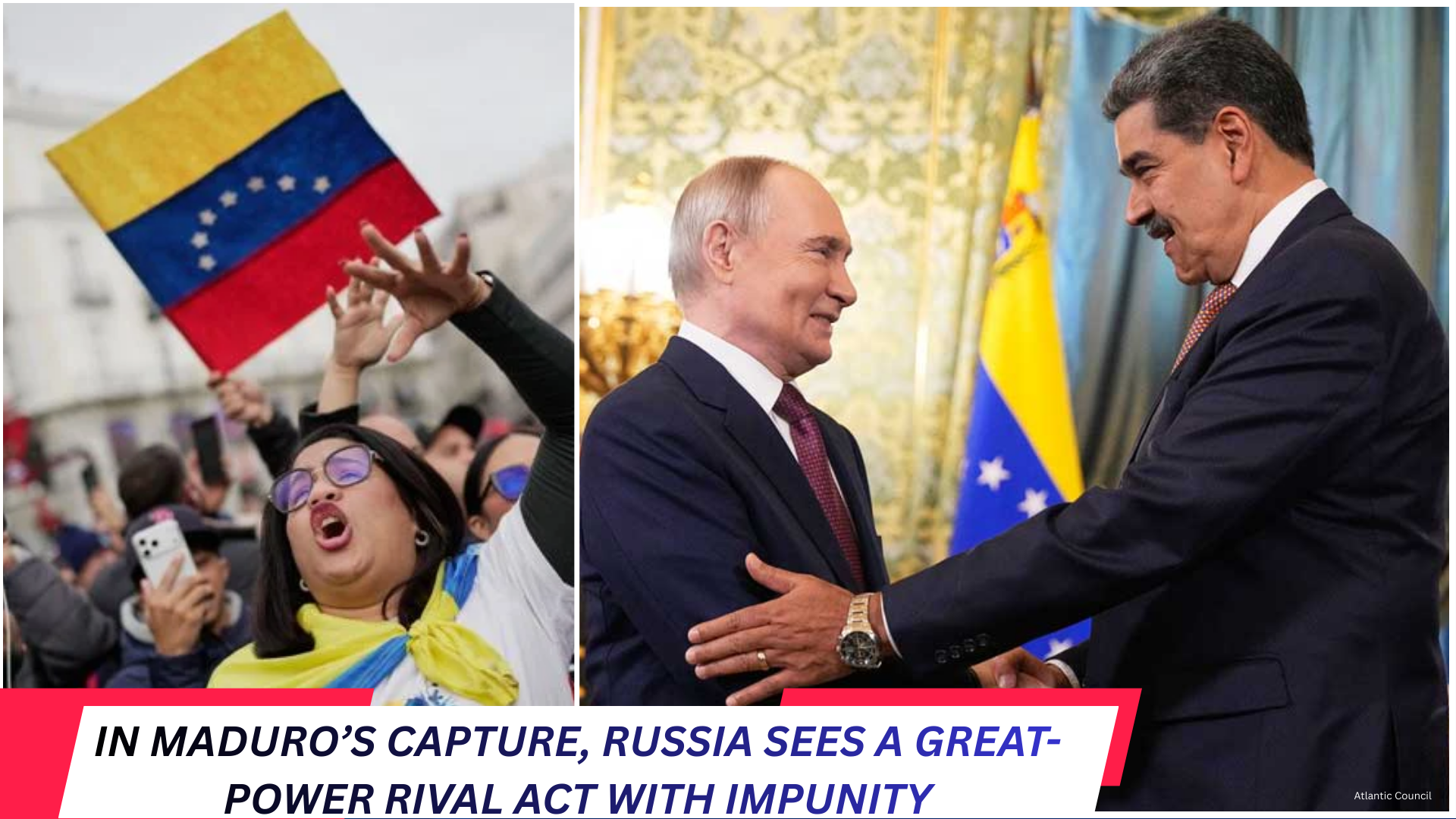
Russia and China have been far less measured in their response. Both governments condemned the operation outright, calling it a breach of international law and an example of unilateralism that undermines global stability. Their statements reflect broader concerns about precedent: if criminal indictments can justify military action against a sitting head of state, many fear the threshold for intervention may be permanently lowered.
International law experts have echoed those concerns. Under the United Nations Charter, the use of force within another sovereign state is generally limited to self-defense or actions authorized by the Security Council. The U.S. justification, rooted in criminal enforcement and national security claims, sits uneasily within that framework. While Washington argues that Maduro’s alleged activities constituted an ongoing threat, critics counter that such reasoning risks stretching legal definitions beyond recognition.
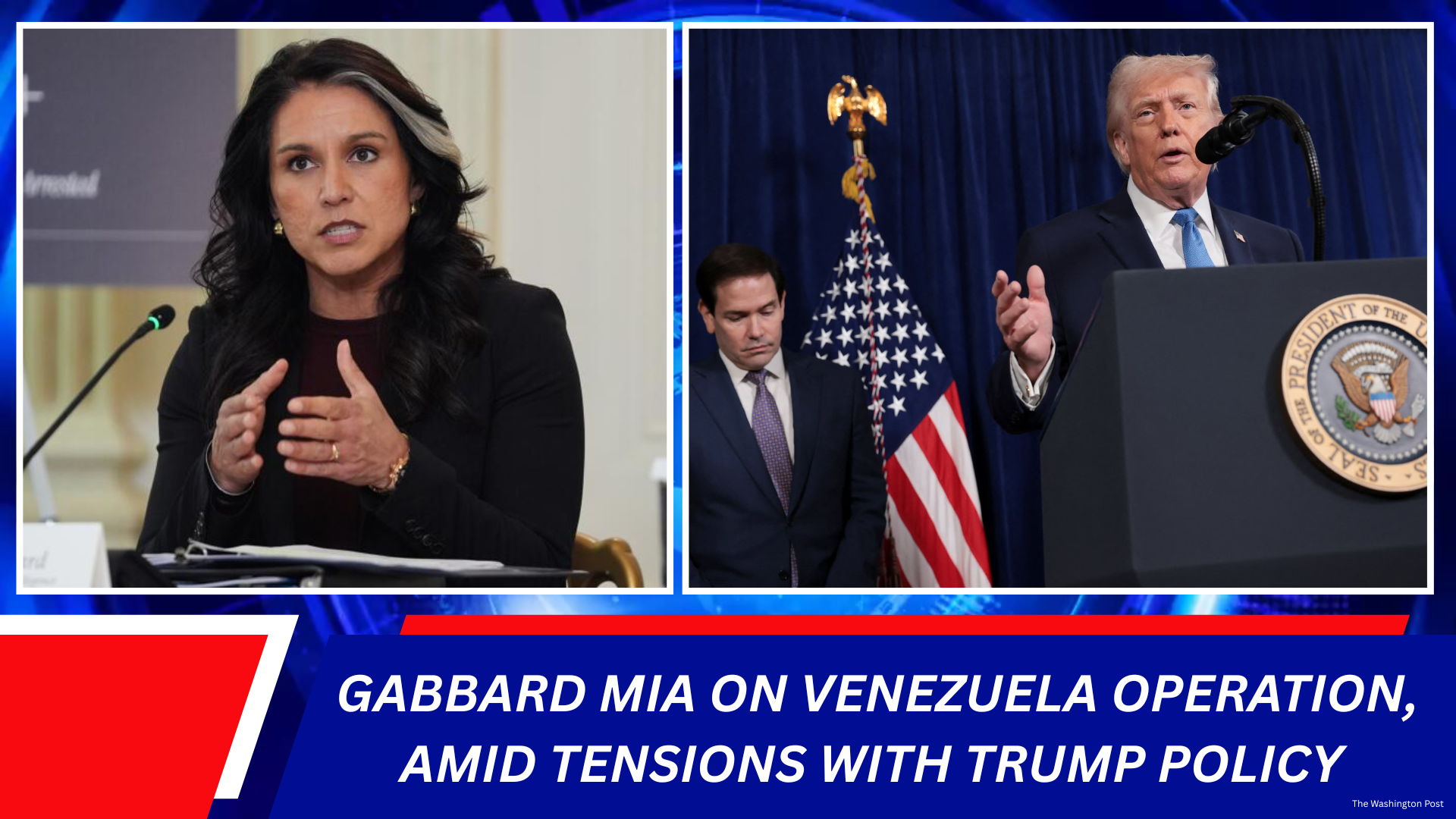
Inside the United States, the debate has been intense but more nuanced than partisan lines might suggest. Some lawmakers from both parties praised the administration for acting decisively against a leader accused of serious crimes. They argue that allowing impunity for figures who allegedly profit from narcotics trafficking erodes the credibility of international law and harms U.S. security interests.
Others, including members of Congress who have supported past pressure campaigns against Maduro, have raised alarms about executive authority. They question whether Congress was adequately consulted and warn that military enforcement actions, even when tied to criminal cases, demand clear legislative oversight. For these critics, the concern is not whether Maduro should face justice, but how that justice is pursued.
Beyond governments and legislatures, humanitarian organizations have urged caution. Venezuela remains mired in economic collapse, with widespread shortages of food, medicine, and basic services. Aid groups warn that political and military disruption could worsen conditions for civilians, particularly if governance structures fracture or public services falter. The possibility of renewed mass migration is a concern shared by neighboring states and international agencies alike.
Public reaction among Venezuelans abroad has been mixed. Some members of the diaspora have welcomed news of Maduro’s detention, viewing it as a long-overdue reckoning after years of hardship and repression. Others have expressed anxiety about what comes next, worried that sudden leadership removal without a clear transition plan could deepen instability rather than resolve it.
On the ground in Venezuela, reliable information remains scarce. Reports suggest heightened security around key infrastructure and government buildings, along with increased military presence. Communications are tightly controlled, and competing narratives dominate both domestic and international coverage. The lack of independent verification has added to uncertainty, fueling speculation and concern.
The administration insists that U.S. involvement will be temporary and focused on stability, but statements suggesting that Washington is “in charge” have complicated that message. Even allies sympathetic to accountability efforts have urged clearer limits and timelines, wary of open-ended commitments that could entangle the United States in long-term governance challenges.
Historically, moments like this have shaped how nations understand power and restraint. The capture of a sitting head of state by foreign forces is rare, and the reactions to it reflect deeper questions about the balance between justice and sovereignty. Supporters of the operation argue that extraordinary crimes demand extraordinary measures. Critics respond that the rules restraining force exist precisely for extraordinary moments.
As diplomatic efforts continue and legal proceedings begin in the United States, attention is shifting from the operation itself to its consequences. Will the action lead to a credible political transition in Venezuela, or deepen fragmentation? Will it reinforce international norms by holding leaders accountable, or weaken them by blurring the line between law enforcement and regime change?
For now, no consensus has emerged. What is clear is that the U.S. action has altered the landscape of regional and global politics. Governments are reassessing assumptions, alliances are under strain, and long-standing debates about power, law, and responsibility have been brought into sharp relief.
The coming weeks will test whether restraint and diplomacy can match the force already applied. The ultimate judgment of this moment will not rest solely on Maduro’s fate, but on whether stability, legality, and measured leadership prevail in its aftermath.