%20(4).png)


.png)


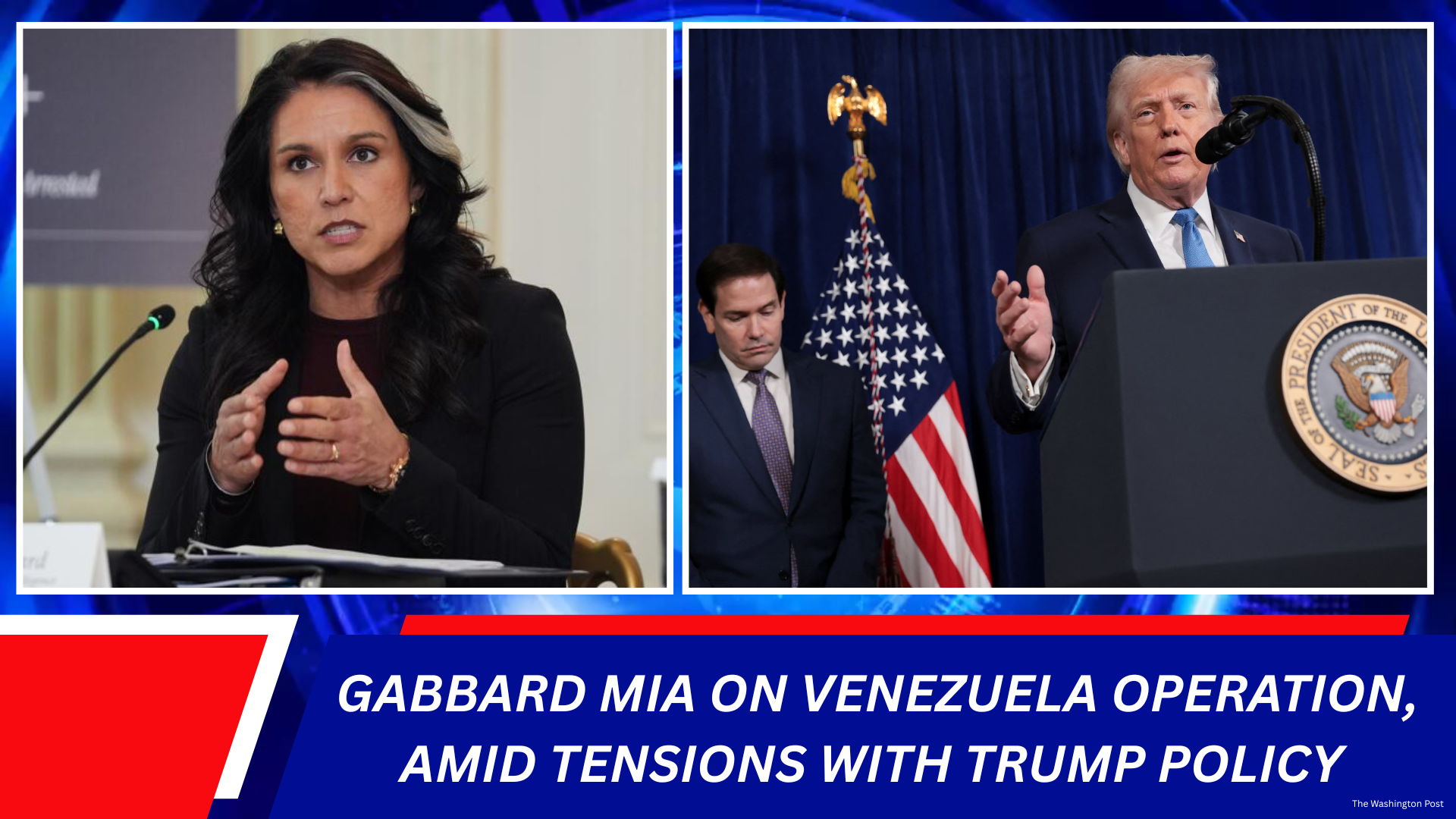
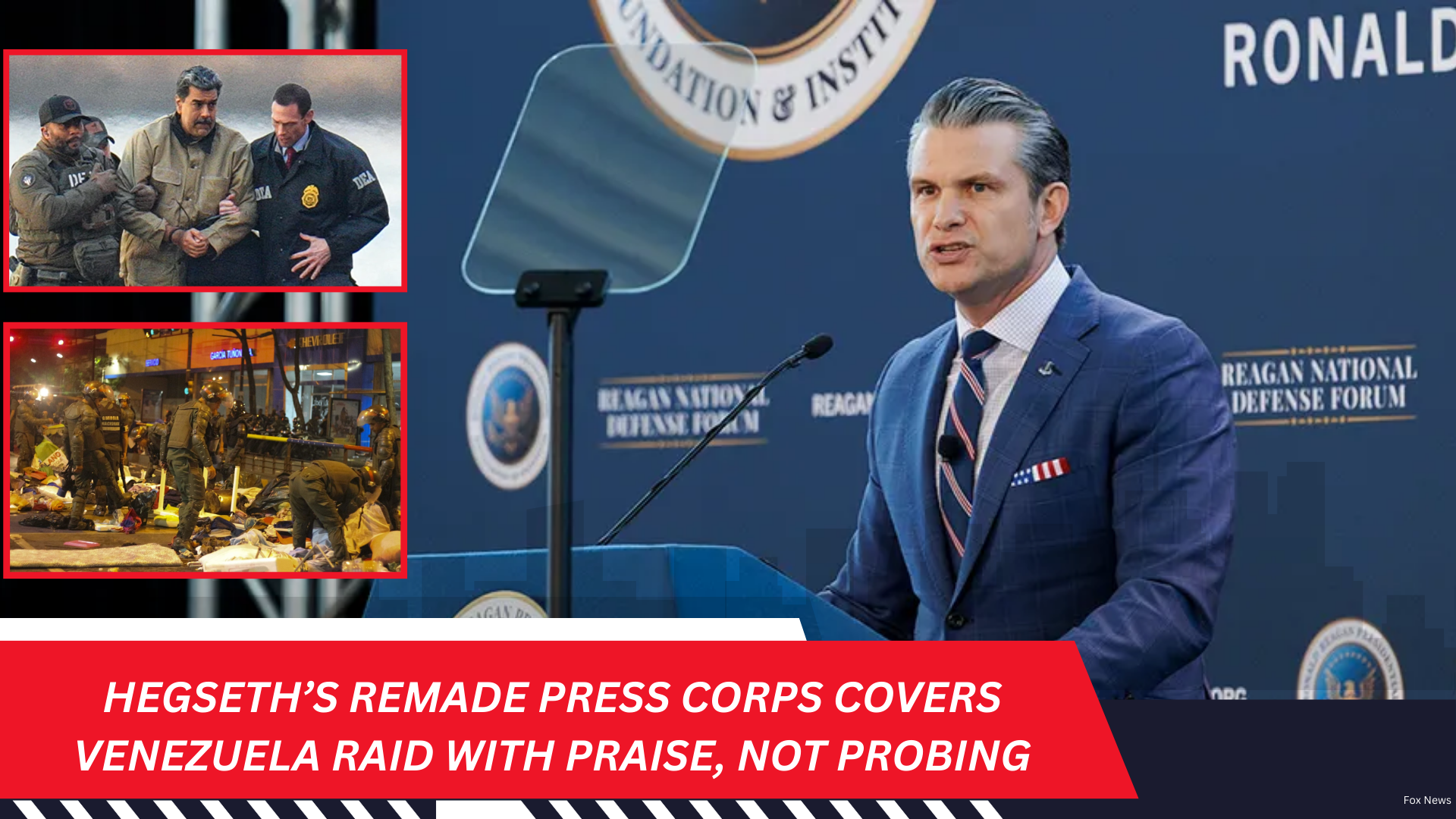
The United States carried out military strikes against targets in Venezuela early on January 3, marking a sharp escalation in relations between Washington and Caracas. U.S. officials say the operation resulted in the capture of Venezuelan President Nicolás Maduro and his wife, Cilia Flores, who now face long-standing U.S. criminal charges related to drug trafficking.
According to U.S. statements, the strikes targeted locations in and around Caracas, with explosions reported across the capital and temporary power disruptions in some areas. President Donald Trump described the action as a “large-scale strike,” arguing it was necessary to enforce U.S. law and counter what Washington has long characterized as state-backed narcotics trafficking. Mr. Maduro was indicted in U.S. federal court in 2020 on charges including narco-terrorism, allegations his government has consistently denied.
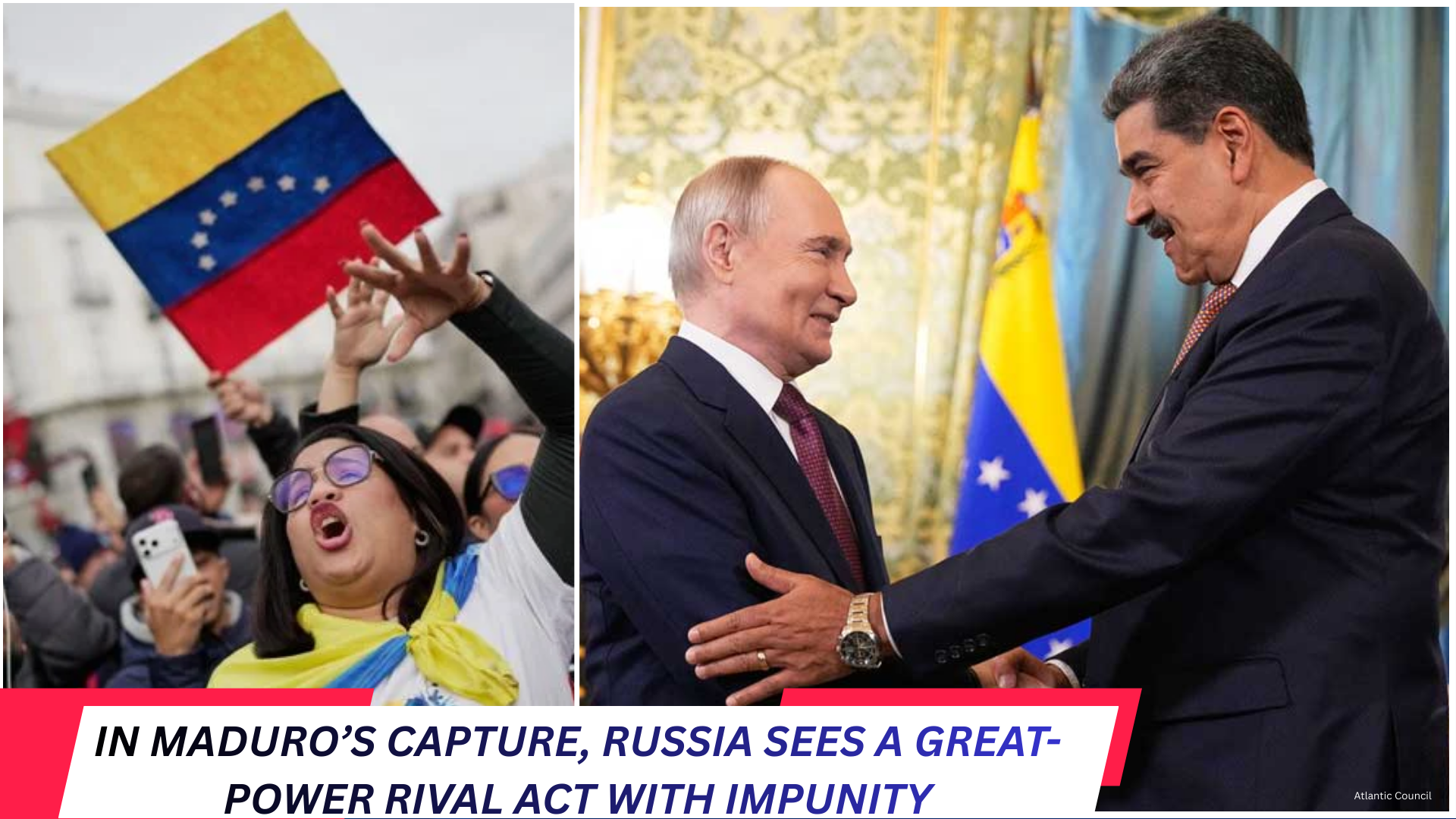
Venezuelan authorities condemned the operation as a violation of national sovereignty and demanded proof of the president’s status. State media described the strikes as an act of aggression and announced emergency measures, while senior officials called for international intervention and diplomatic pressure on Washington.
The operation follows years of U.S. sanctions, diplomatic isolation, and intermittent military pressure aimed at Mr. Maduro’s government. American officials have argued that traditional diplomatic tools failed to alter Caracas’s behavior, while critics have warned that the use of force risks destabilizing the region and undermining international norms.
International reaction has been swift and divided. Several governments in Latin America and beyond criticized the U.S. action as unlawful, even as some acknowledged concerns about Venezuela’s governance record and allegations of corruption. Allies of Washington have so far responded cautiously, calling for restraint and clarity on the legal basis for the operation.
Details remain limited and contested. U.S. officials say Mr. Maduro will be transferred to American jurisdiction to face trial, while Venezuela insists the account is incomplete and politically motivated. As events continue to unfold, the episode raises broader questions about the limits of law enforcement beyond borders and the consequences of forceful intervention in a deeply polarized international environment.