%20(4).png)


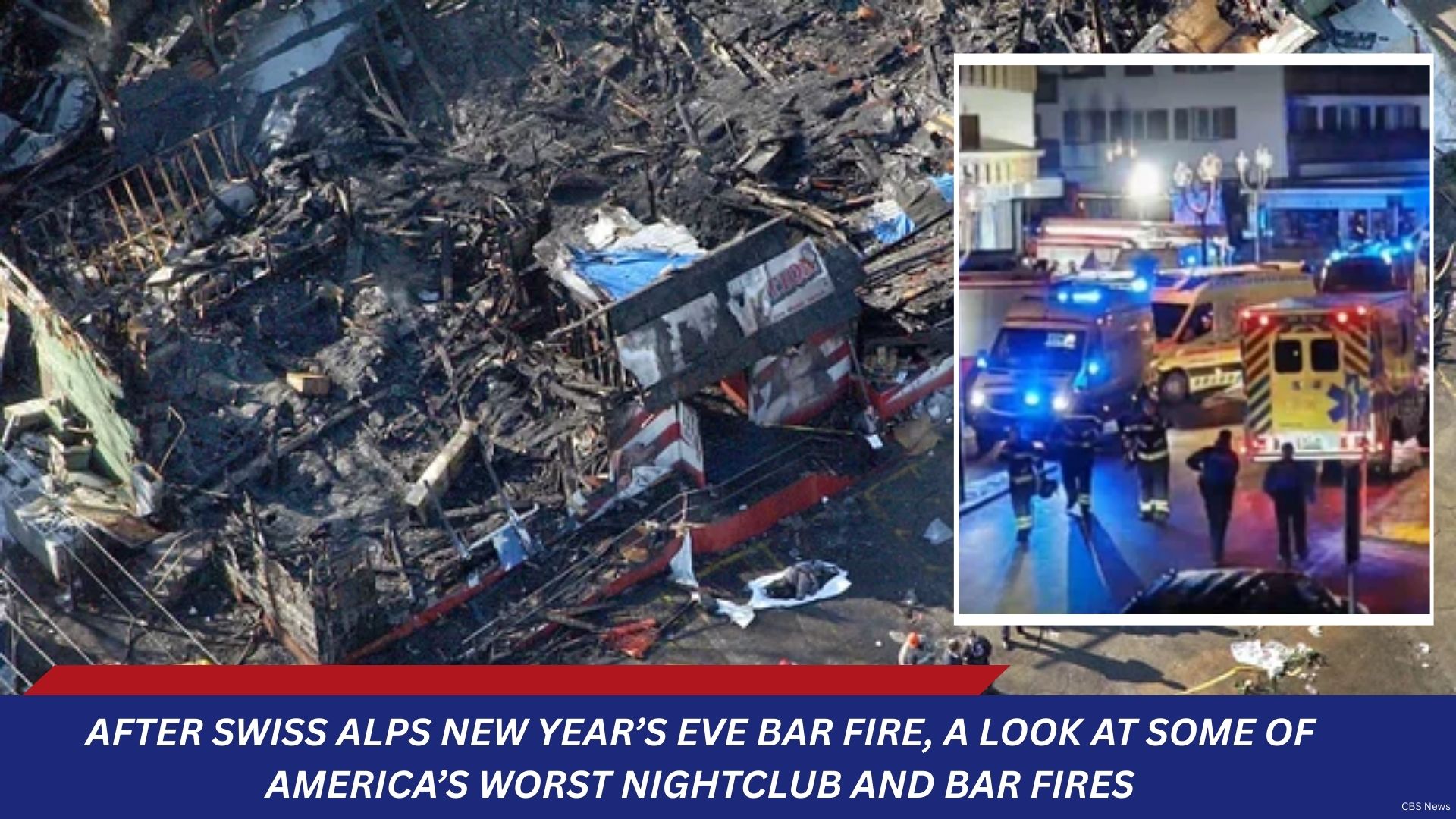


When a devastating fire ripped through a crowded bar in the Swiss Alps during New Year’s Eve celebrations, killing dozens and injuring many more, it prompted renewed reflection on some of the worst nightclub and bar fires in American history. The tragedy in Switzerland — where flames spread rapidly through a wooden-ceiling bar packed with revelers — underscored how quickly celebrations can turn into catastrophe when fire breaks out in crowded indoor spaces. In the United States, a number of nightclub and bar fires over the past century have left indelible marks on public memory and led to significant changes in fire safety regulations and building codes. These events, though varying in context and location, share common threads: overcrowded venues, ignition of flammable materials, blocked or insufficient exits, and inadequate safety measures.
One of the most infamous of these tragedies is the Cocoanut Grove nightclub fire in Boston in 1942, the deadliest nightclub blaze in American history and one of the deadliest fires of any kind in the nation. On a November night, hundreds of patrons packed into the popular club for a crowded evening of dancing and entertainment. What began as an ordinary night quickly turned into a nightmare when a fire ignited in the basement and spread through the club with terrifying speed. Compounding the tragedy were the locked exit doors and a single revolving front door that became jammed as patrons crowded toward it in panic. With little room to escape, hundreds of people succumbed to the flames and smoke before help could arrive. Nearly 500 people perished in that fire, a shocking toll that exposed glaring deficiencies in fire safety standards at the time and prompted widespread reforms. After the blaze, building codes were overhauled to require outward-opening exit doors, mandatory emergency lighting, and sprinkler systems in public venues. The legacy of the Cocoanut Grove fire lives on in the safety measures now taken for granted in public gathering places.
Just over six decades later, another disastrous nightclub fire struck in West Warwick, Rhode Island. In February 2003, The Station nightclub fire claimed 100 lives and injured many more during a rock concert. On that night, a popular local band was performing when indoor pyrotechnics intended to enhance the show ignited flammable acoustic foam used as soundproofing around the stage. What followed was a horrific blaze that engulfed the tiny club in minutes, fueled by the highly combustible materials. With only a few exits and a crowd of hundreds crammed inside, the situation quickly became deadly. The intensity and speed of the fire, combined with smoke that enveloped the building, made escape nearly impossible for many. This tragedy highlighted another critical gap in nightclub safety: the presence of decorative and soundproofing materials that can accelerate the spread of fire, as well as insufficient exit infrastructure. The aftermath saw lawsuits, criminal charges, and renewed calls for enforcement of fire codes regarding materials and egress routes.
Earlier in the 1990s, New York City endured one of the deadliest nightclub fires in its borough of the Bronx. In March 1990, the Happy Land Social Club — an unlicensed private club operating in violation of city fire and building codes — became the site of a deadly arson fire. A man, enraged after a fight with his girlfriend, poured gasoline in the club’s entryway and set it ablaze, trapping patrons inside. The fire spread quickly in the crowded and unregulated space, killing 87 people and injuring dozens more. Many victims were found in groups, having died while embracing or holding hands in a desperate attempt to escape. The club lacked basic safety features like sprinklers, fire alarms, or accessible exits, and it was operating illegally at the time. The outcry following this fire led to heightened fire enforcement efforts throughout the city, and authorities stepped up inspections of nightclubs, bars, and social halls to prevent similar tragedies.
In the 1970s, another significant fire occurred at the Beverly Hills Supper Club in Southgate, Kentucky. In May 1977, a fire broke out at the sprawling entertainment complex, which included banquet halls, lounge areas, and nightclubs. The club was packed that evening, and the blaze spread rapidly through its interconnected spaces. With multiple levels and crowded rooms, patrons struggled to find exits as smoke and flames enveloped the building. When the fire was brought under control, more than a hundred lives were lost and many more were injured, making it one of the deadliest nightclub fires in U.S. history. This fire added to the growing awareness of the need for comprehensive fire safety planning in complex entertainment venues.
Another lesser-known but equally deadly tragedy was the Rhythm Club fire in Natchez, Mississippi, in 1940. While not technically a nightclub in the modern sense, this dance hall fire occurred in a music and social gathering space where hundreds had assembled. Decorative Spanish moss draped from the ceiling, intended as atmosphere, became a deadly fuel source when it ignited. With windows themselves blocked or boarded, many inside were trapped, leading to more than 200 deaths. These earlier incidents, like the Cocoanut Grove fire, demonstrate how quickly fire can spread in spaces with flammable materials and inadequate exit options.
Looking at these historical tragedies serves as a reminder of both the human cost of inadequate safety measures and the progress made in fire prevention. Modern building codes, mandatory sprinkler systems, multiple clearly marked and accessible exits, flame-retardant materials, and regular inspections are all products of lessons learned from these painful events. Yet the deadly bar fire in the Swiss Alps shows that risks remain when crowds gather in indoor venues without sufficient safeguards. Whether during rock concerts, social dances, or holiday celebrations, the combination of fire hazards, crowd behavior, and structural weaknesses can still have tragic outcomes. Understanding past events underscores the importance of vigilance, strict enforcement, and continuous improvement in safety practices wherever people gather to celebrate and enjoy shared experiences.
.png)
.png)
.png)