%20(4).png)


.png)


As Americans celebrated the transition into 2026, law enforcement officials were quietly working to prevent what authorities now say could have been a deadly domestic terror attack in North Carolina. Federal agents, working alongside local and national partners, announced on Jan. 2 that they had thwarted a potential New Year’s Eve attack in the Charlotte area that they believe was inspired by the Islamic State militant group. The arrest of an 18‑year‑old man and the disruption of his alleged plot have drawn renewed attention to ongoing concerns about radicalization, lone‑actor violence, and the challenges of preventing terror attacks on U.S. soil as communities enjoy significant holiday gatherings.
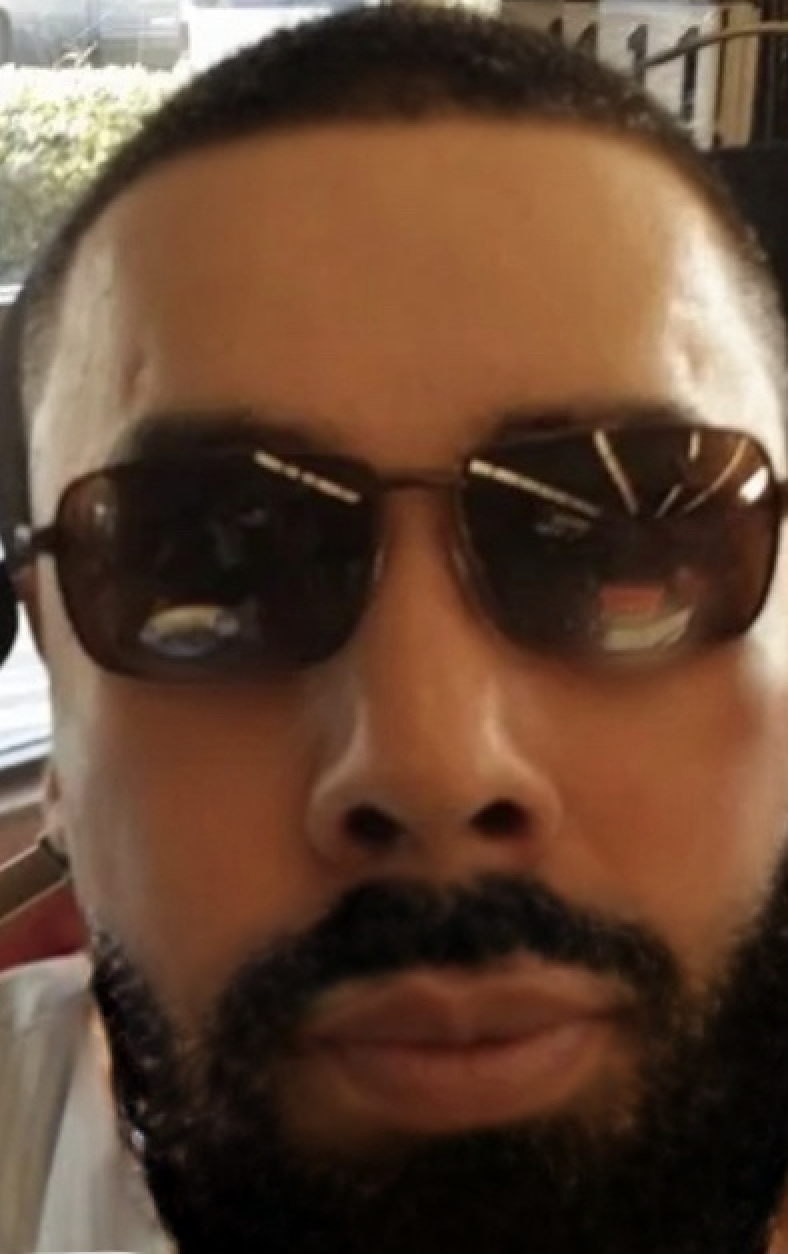
The case centers on an 18‑year‑old resident of Mint Hill, a suburban town near Charlotte, who law enforcement says was planning an attack intended to strike civilians during New Year’s Eve celebrations. According to prosecutors, the suspect had been on the radar of federal investigators for some time and had engaged in online communications with individuals he believed were affiliated with ISIS. Those online exchanges prompted further investigation and led undercover agents to pose as members of the extremist organization, allowing them to monitor his intentions and actions more closely. In the course of that undercover operation, the suspect allegedly pledged loyalty to the terrorist group and discussed plans for a violent assault.
At the end of December, the FBI and its partners moved to arrest the teenager before he could carry out his plan. Agents seized handwritten documents at his residence detailing his intended attack, which reportedly included targeting locations where New Year’s Eve shoppers and diners might be gathered, such as a grocery store and a fast‑food restaurant. The documents, labeled with titles referencing an attack in 2026, described his goals in stark terms and outlined his intent to cause mass casualties. Prosecutors also reported that agents found dangerous weapons — including butcher knives and hammers — hidden at his home, which they say were intended for use during the attack.
Once in custody, the suspect was charged with attempting to provide material support to a foreign terrorist organization, a federal offense that carries significant prison time if he is convicted. Federal prosecutors emphasized that the charges stem not only from the planning of an attack but also from his alleged efforts to align himself with an extremist group known for its violent ideology and terroristic actions around the world. Officials have made clear that despite some aspects of the case involving an individual without direct operational ties to an overseas organization, the online influence and self‑radicalization process are significant factors that elevated the threat to federal concern.
Federal authorities framed the foiling of the plot as an example of effective investigation, interagency cooperation, and vigilance during a period when many Americans travel or gather for holidays. Police, FBI agents, and prosecutors worked through the holiday period to collect evidence, monitor communications, and ensure a timely arrest that prevented harm to unsuspecting civilians. In announcing the charges and disruption of the plot, federal officials thanked state and local partners for their assistance and highlighted the role of ongoing monitoring of social media and online platforms in identifying individuals who exhibit signs of extremist motivation.
The news of the thwarted attack echoed broader concerns about domestic radicalization in the United States, where individuals inspired by foreign terrorist organizations can absorb violent ideologies online without necessarily having direct contact with overseas operatives. Law enforcement and counterterrorism experts have increasingly warned that such self‑radicalization presents unique challenges, particularly when spread via social media, encrypted messaging, or anonymous online forums. These platforms can expose vulnerable individuals to extremist propaganda, potentially encouraging them to act violently without ever leaving their communities or traveling abroad for formal training.
Public reaction to the news in North Carolina was mixed, with many community members expressing relief that no one was harmed and that the plot was stopped before New Year’s Eve celebrations got underway. Local leaders praised the work of federal investigators and law enforcement, noting that the holiday season — with its crowded venues, festive events, and heightened gatherings — could have been targeted for maximum impact. Families and residents echoed the sentiment that preventing violence during high‑traffic public events was a top priority and underscored the importance of reporting suspicious behavior or worrying online posts to authorities.
However, some community members raised questions about the role of undercover operations, online monitoring, and the threshold for determining when an individual poses a credible threat that warrants arrest. These debates about civil liberties, privacy, and the balance between security and individual rights are not new, but they tend to resurface in public discourse whenever law enforcement disrupts a planned attack. Experts in legal and constitutional matters emphasize that disrupting a terror plot before it unfolds is generally supported by law when there is probable cause and credible evidence of intent to commit violence, especially when the target involves the general public.
The North Carolina incident comes amid a wider context of heightened vigilance against extremist‑related threats in the United States, both from domestic and foreign influences. Law enforcement agencies routinely monitor potential plots inspired by a range of extremist ideologies, and counterterrorism units frequently engage in undercover operations to identify and intercept individuals before they can carry out violent acts. These efforts require detailed investigation, cooperation with international agencies in some cases, and careful legal processes to ensure that arrests and prosecutions align with constitutional standards.
As the case moves through the legal system, prosecutors are expected to present evidence that supports their assertion that the suspect was planning an attack with intent to cause widespread harm. Defense attorneys may challenge aspects of the investigation or the classification of his motivations, but experts note that the threshold for charging material support to a foreign terrorist organization does not necessarily require direct contact with the group abroad; rather, it can be satisfied by actions or communications that provide value to or are undertaken in the name of such an organization.
In the end, the foiled New Year’s Eve terror plot in North Carolina serves as a stark reminder of the persistent challenges law enforcement faces in preventing violence in a digitally connected world where extremist propaganda can spread rapidly. It also highlights the critical role of vigilance, partnership, and proactive investigation in safeguarding communities during times of celebration and potential vulnerability.
.png)
.png)