%20(4).png)


.png)


In the wake of the United States’ military operation in Venezuela and the reported capture of President Nicolás Maduro, analysts are assessing the rationale, legal basis, and broader implications of what remains an extraordinary exercise of American power.
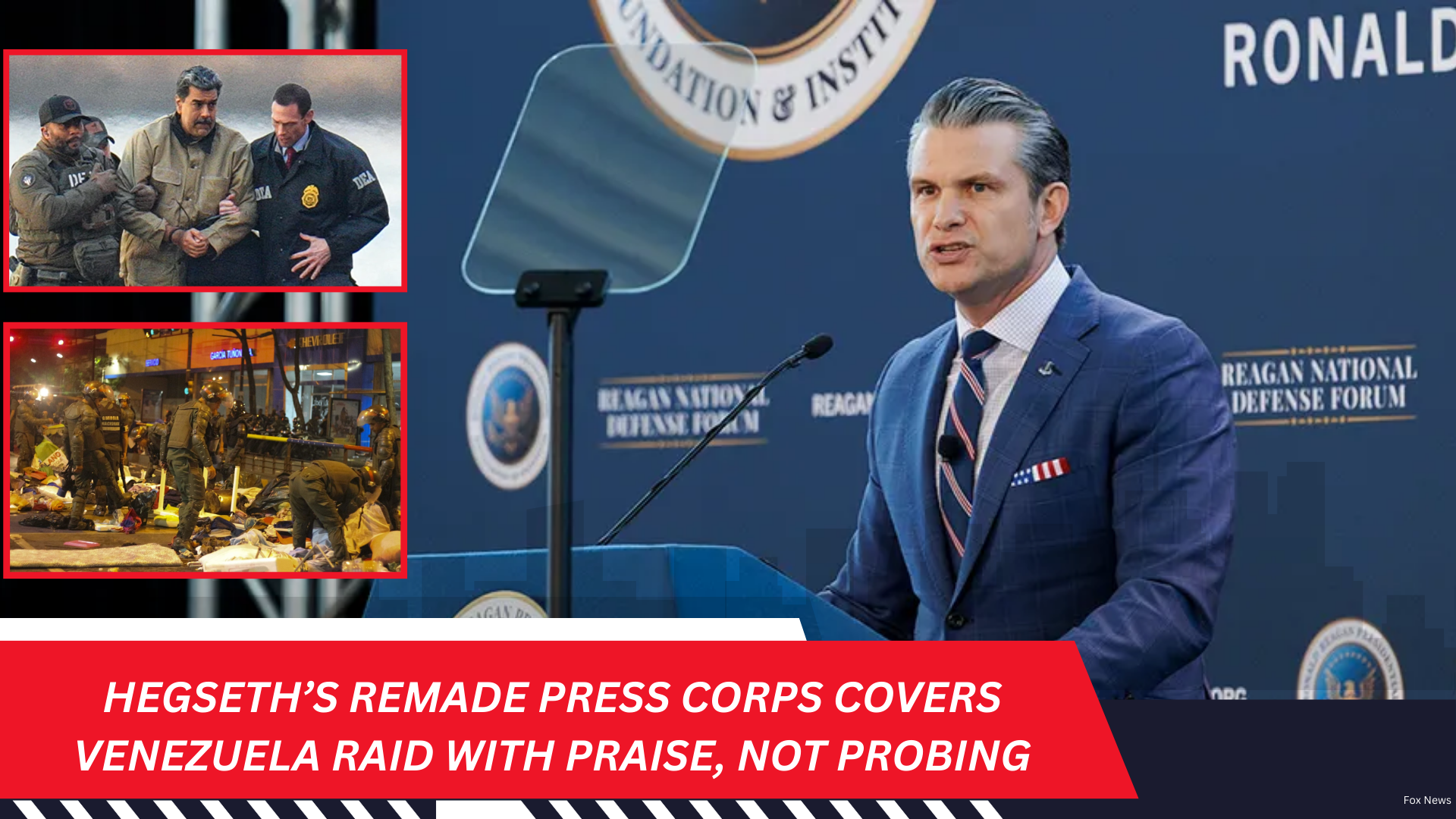
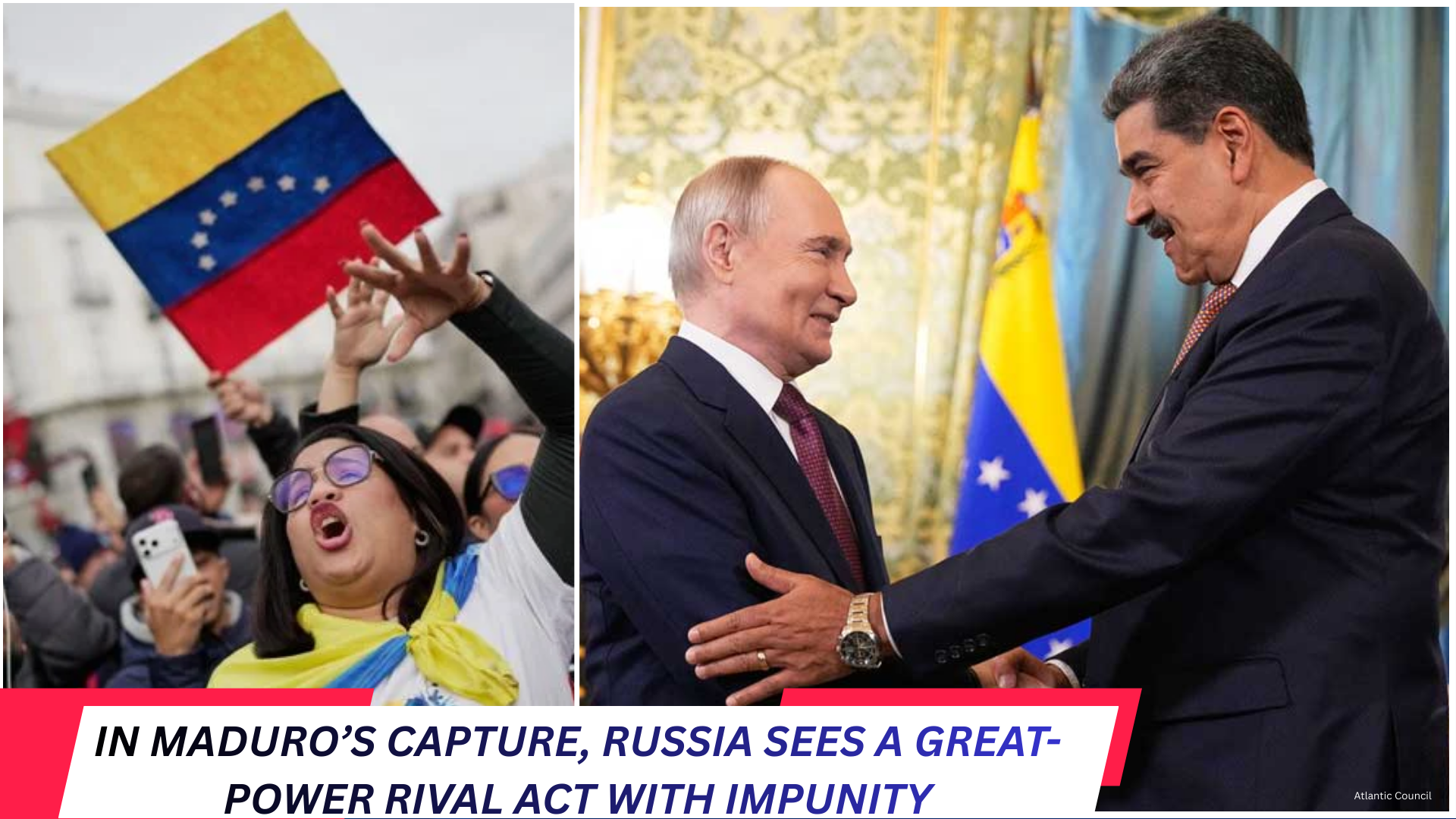
The Trump administration has framed the intervention as a necessary effort to enforce longstanding federal indictments against Maduro, whom U.S. authorities accuse of involvement in narcotics trafficking and related criminal activity. Officials have also cited broader regional security concerns, including illicit drug flows and Maduro’s alliances with rival powers. This dual framing—as both law enforcement and security strategy—has drawn scrutiny domestically and internationally.
Critics within the United States, including legal experts and some lawmakers, have questioned the operation’s legal foundation. Under U.S. and international law, military action inside another sovereign country typically requires congressional authorization or justification under narrowly defined self-defense provisions. Relying on criminal indictments as justification for cross-border military action has been described by some scholars as unprecedented and legally complex.
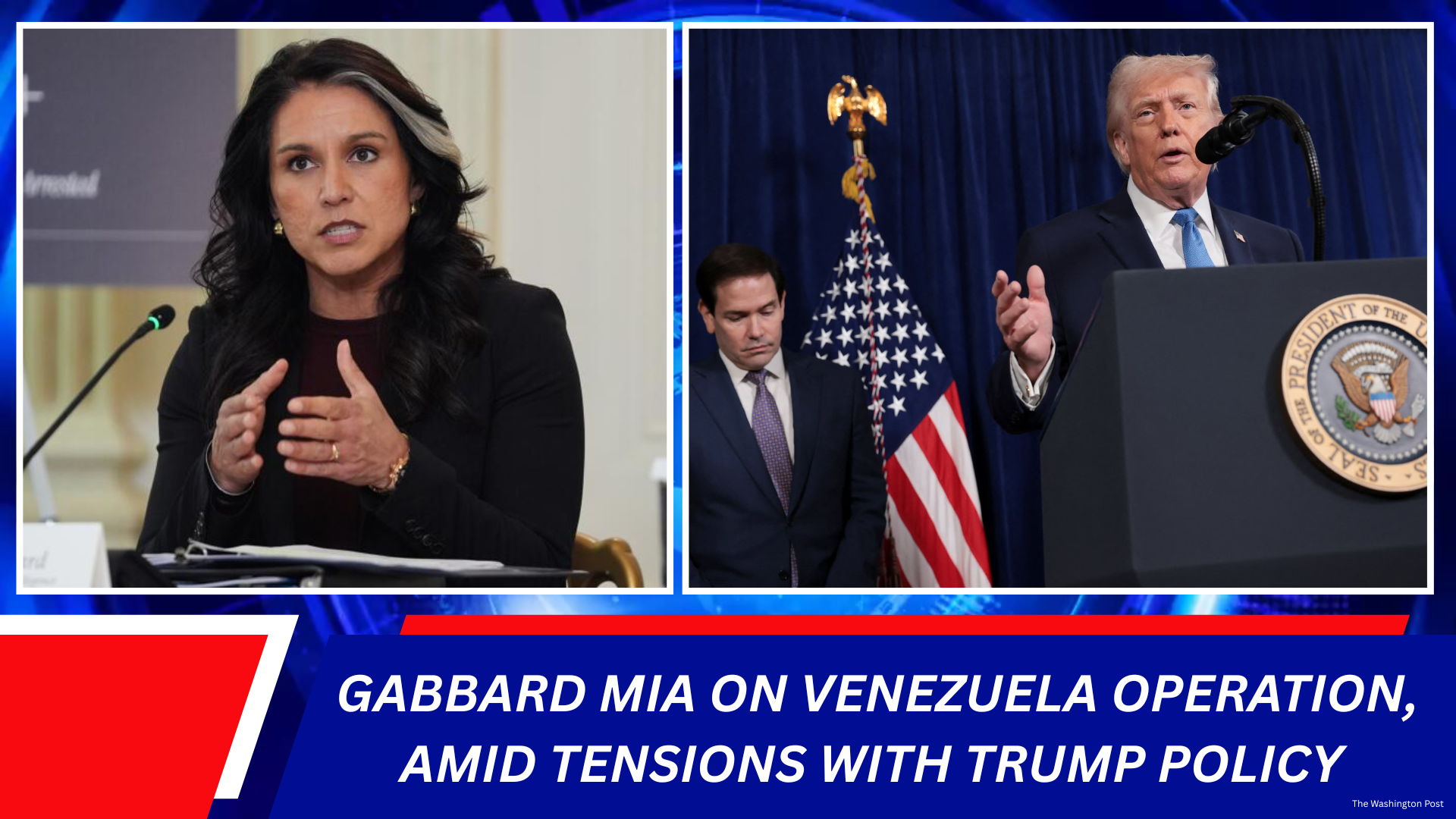
The operation has also triggered political debate in Washington. Some lawmakers expressed surprise at the scale and timing of the intervention, noting prior assurances that there was no intention of regime change. These members have called for additional clarity on both objectives and legal authority.
International law considerations remain central. The United Nations Charter restricts the use of force against sovereign nations except in self-defense or with Security Council approval. Observers note that neither condition clearly applies, prompting discussion about legality and the potential precedent the action sets for other states.
The political context in Venezuela adds another layer of complexity. The United States has not recognized Maduro as the legitimate president since 2019, following disputed elections. This raises questions about who could formally consent to his removal and complicates interpretations of authority in the country.
Strategic and economic considerations are also intertwined. President Trump has publicly suggested that U.S. involvement in Venezuela’s oil sector could follow Maduro’s removal. Critics argue that this linkage of legal enforcement and economic opportunity heightens concerns that broader geopolitical objectives are driving the operation, beyond criminal accountability alone.
Globally, reactions have been cautious or critical. Several governments have emphasized respect for sovereignty and international law, while others have stressed the need for democratic transitions and peaceful solutions. The operation has prompted international debate about the balance between enforcing criminal indictments and maintaining norms governing state sovereignty.
Taken together, analysts view the operation as a complex mix of law enforcement, foreign policy, and national security considerations. It highlights both the unprecedented nature of U.S. action and the challenges posed by existing legal and diplomatic frameworks governing military intervention abroad. The operation is likely to be studied not only for its immediate outcomes but also for the implications it carries for American power and international norms.