%20(4).png)


.png)


Nicolás Maduro, Venezuela’s long-time president, appeared before a U.S. federal court and pleaded not guilty following his capture during a surprise American military operation. The moment marked a rare and consequential development in modern international affairs: the forcible detention of a sitting head of state and his transfer to face criminal charges abroad. It has set off a chain of legal, diplomatic, and political questions that extend well beyond the courtroom.
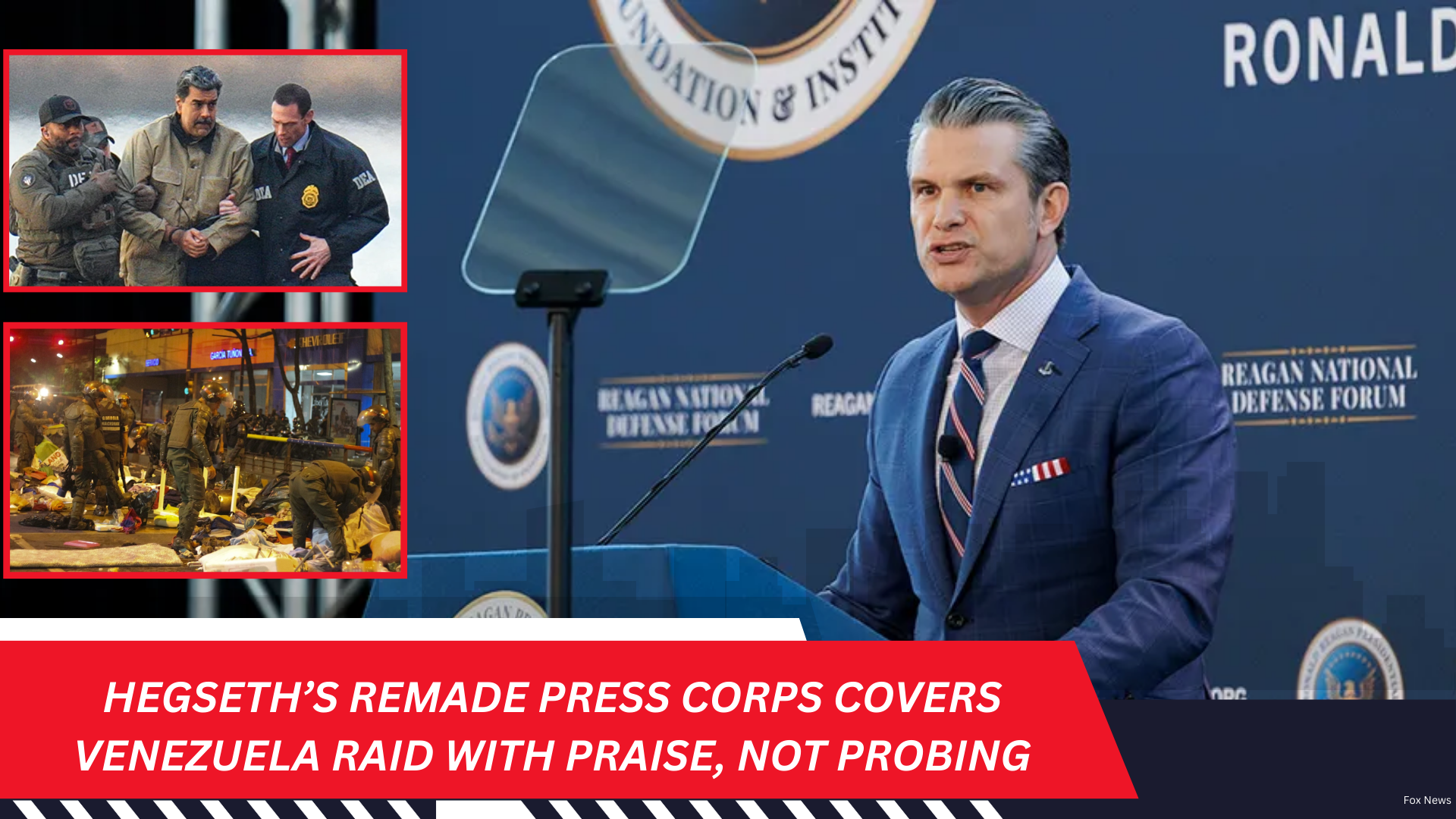
Maduro’s court appearance came days after U.S. forces carried out a rapid strike in Caracas, an operation the Trump administration described as limited, targeted, and focused on enforcing longstanding criminal indictments. The charges, centered on narcotics trafficking and related offenses, have existed for years. What changed was Washington’s decision to act on them.
In the courtroom, Maduro rejected the allegations and asserted that his removal from Venezuela was unlawful. His legal team signaled that they would challenge not only the substance of the charges, but also the circumstances of his capture. The plea was procedural, but its implications were not. It placed the United States squarely at the center of a debate over international law, sovereignty, and the reach of American power.
The operation itself was swift. U.S. officials said it was designed to minimize civilian harm and avoid prolonged engagement. There was no declaration of war. No sustained campaign. Still, the result was decisive. A president was removed from his country and flown to the United States in custody. For supporters of the move, it represented long-delayed accountability. For critics, it raised alarms about precedent.
Inside Venezuela, the immediate response was restrained. State institutions moved quickly to project continuity. Senior officials asserted that constitutional order remained intact. The military, long a central pillar of Maduro’s rule, did not fracture publicly. Streets in Caracas were tense but largely calm. After years of political turmoil and economic collapse, many Venezuelans appeared cautious rather than celebratory.
That caution reflects experience. Previous moments billed as turning points often failed to deliver lasting change. For ordinary citizens, daily concerns remain basic: food, fuel, security, and stability. The removal of a leader, however dramatic, does not by itself restore services or rebuild trust in institutions.
The opposition, fragmented and weakened by years of repression, now faces an opening that comes with risk. Some leaders welcomed Maduro’s capture as the removal of an obstacle to democratic transition. Others warned that change perceived as imposed from abroad could undermine legitimacy at home. Calls for elections, negotiations, and international mediation suggest an awareness that durable outcomes require internal consent.
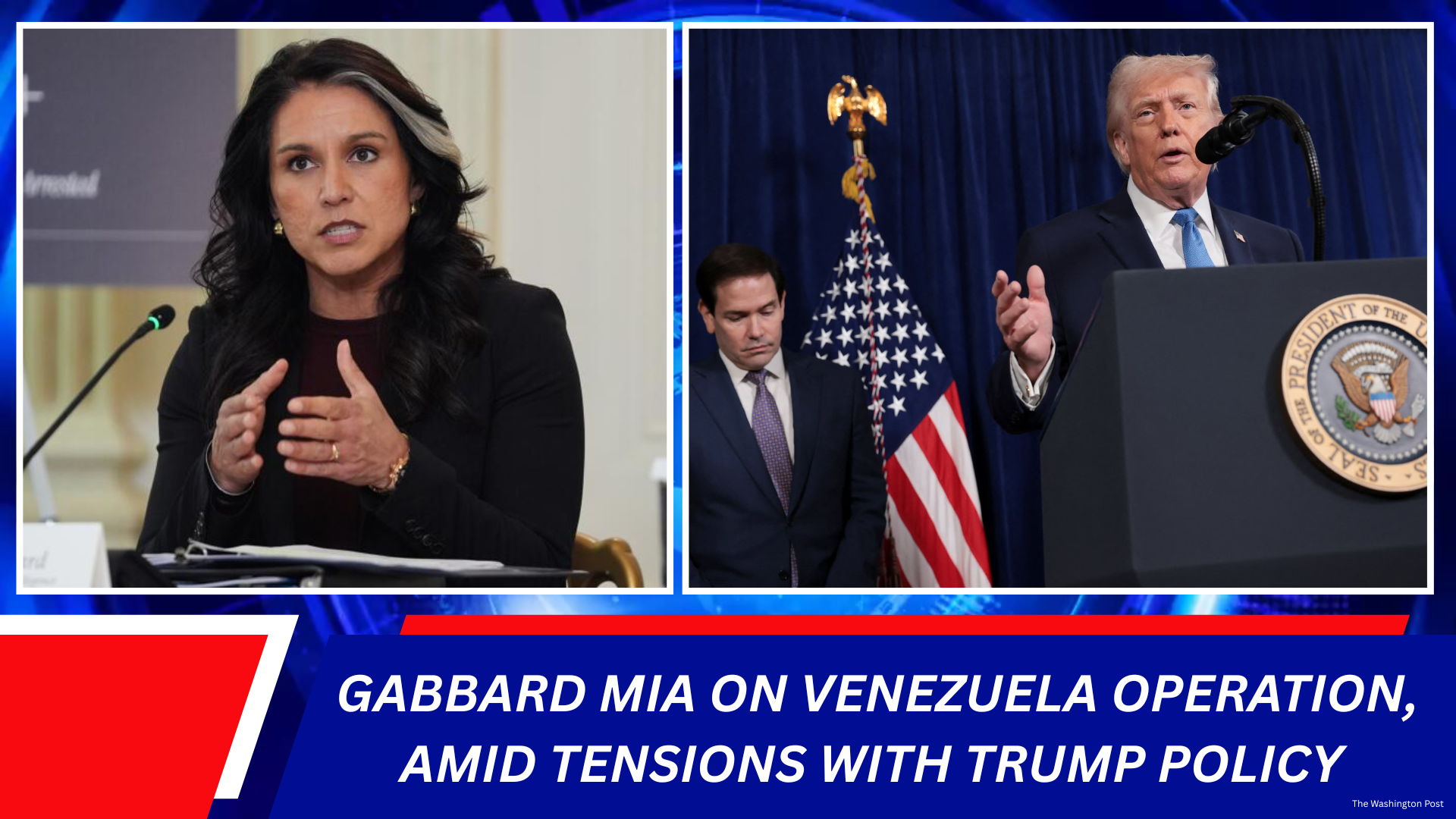
In Washington, reaction has been mixed. Supporters of the operation argue that years of sanctions and diplomacy failed to alter Maduro’s behavior, and that enforcing criminal law was overdue. They point to the charges themselves, and to the broader harm caused by narcotics trafficking, as justification. Critics counter that even justified ends do not erase concerns about process. They question the legal basis for capturing a foreign head of state and warn about consequences for international norms.
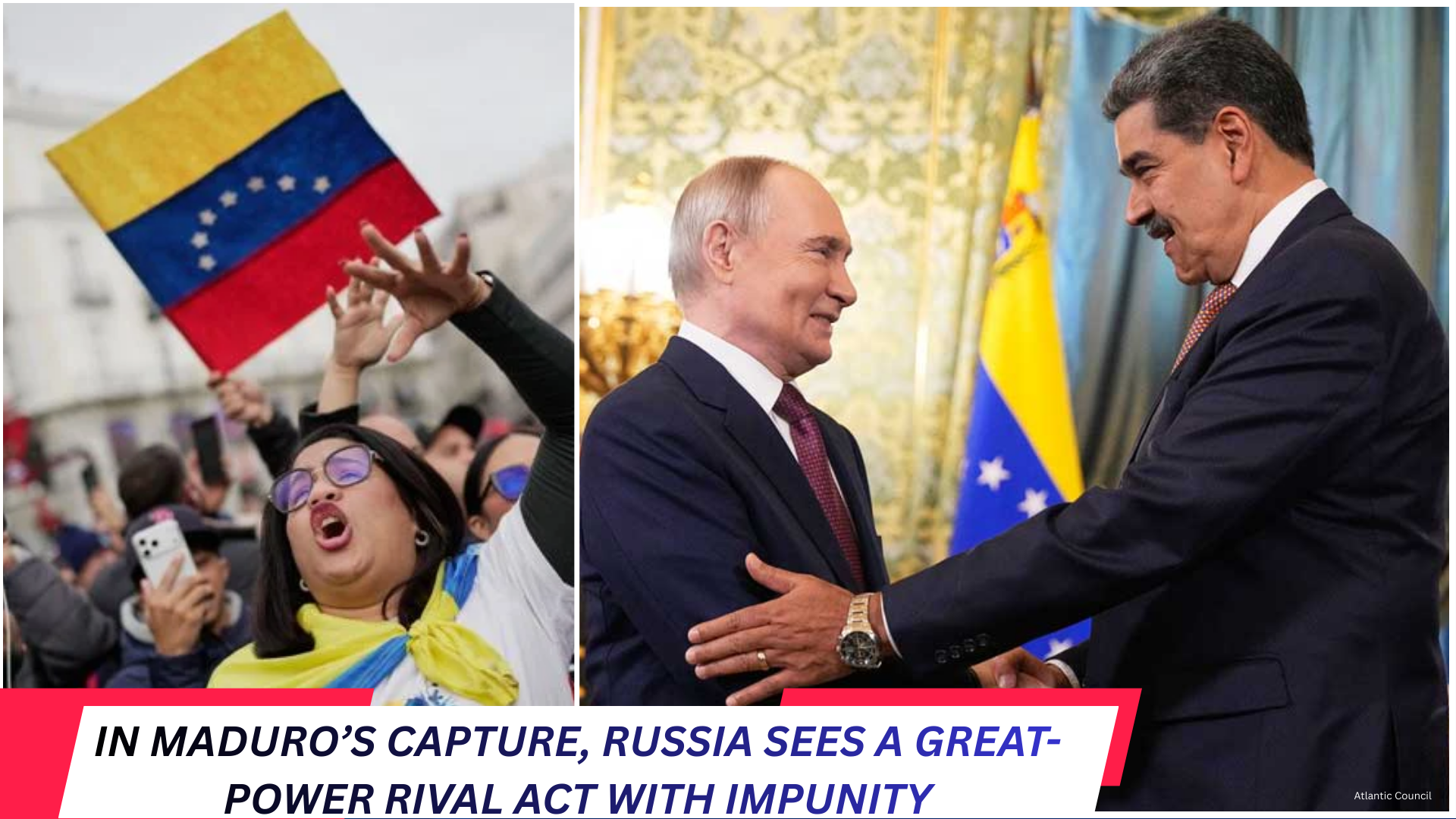
Those concerns have echoed abroad. Several governments condemned the operation on sovereignty grounds, even while acknowledging Maduro’s record. Others focused on uncertainty about what comes next. The use of force, particularly in Latin America, carries historical weight. Many nations in the region are sensitive to actions that appear to bypass international consensus or multilateral institutions.
The Trump administration has sought to narrow expectations. Officials emphasized that the United States does not intend to govern Venezuela or remain indefinitely involved. Early rhetoric suggesting broader control was later tempered. Still, the absence of a clear public roadmap has fueled confusion and debate, both domestically and internationally.
Maduro’s plea now shifts part of the story into the legal realm. The case will test not only the evidence against him, but also arguments about jurisdiction and due process. Courts are built for such disputes, but they rarely operate in a vacuum. The proceedings will unfold alongside political maneuvering in Caracas, diplomatic negotiations abroad, and continued scrutiny in Congress.
History offers cautionary lessons. Removing leaders is often easier than building order. Institutions weakened over years do not recover quickly. Power vacuums invite miscalculation. Even well-intentioned interventions can produce unintended outcomes if not matched with restraint and clarity.
For the United States, the challenge now is credibility through consistency. If the goal is accountability and stability, actions must align with those principles. Support for Venezuelans rebuilding their own institutions will matter more than declarations of control. Respect for limits will be as important as resolve.
Maduro’s not-guilty plea is the beginning of a legal process, not the conclusion of a crisis. Venezuela’s future remains uncertain. So does the broader impact of this operation on international norms. What is clear is that this moment will be judged less by how forcefully it began than by how responsibly it is managed in the months ahead.
In foreign affairs, restraint is not weakness. It is often the difference between disruption and durable order.