%20(4).png)


.png)


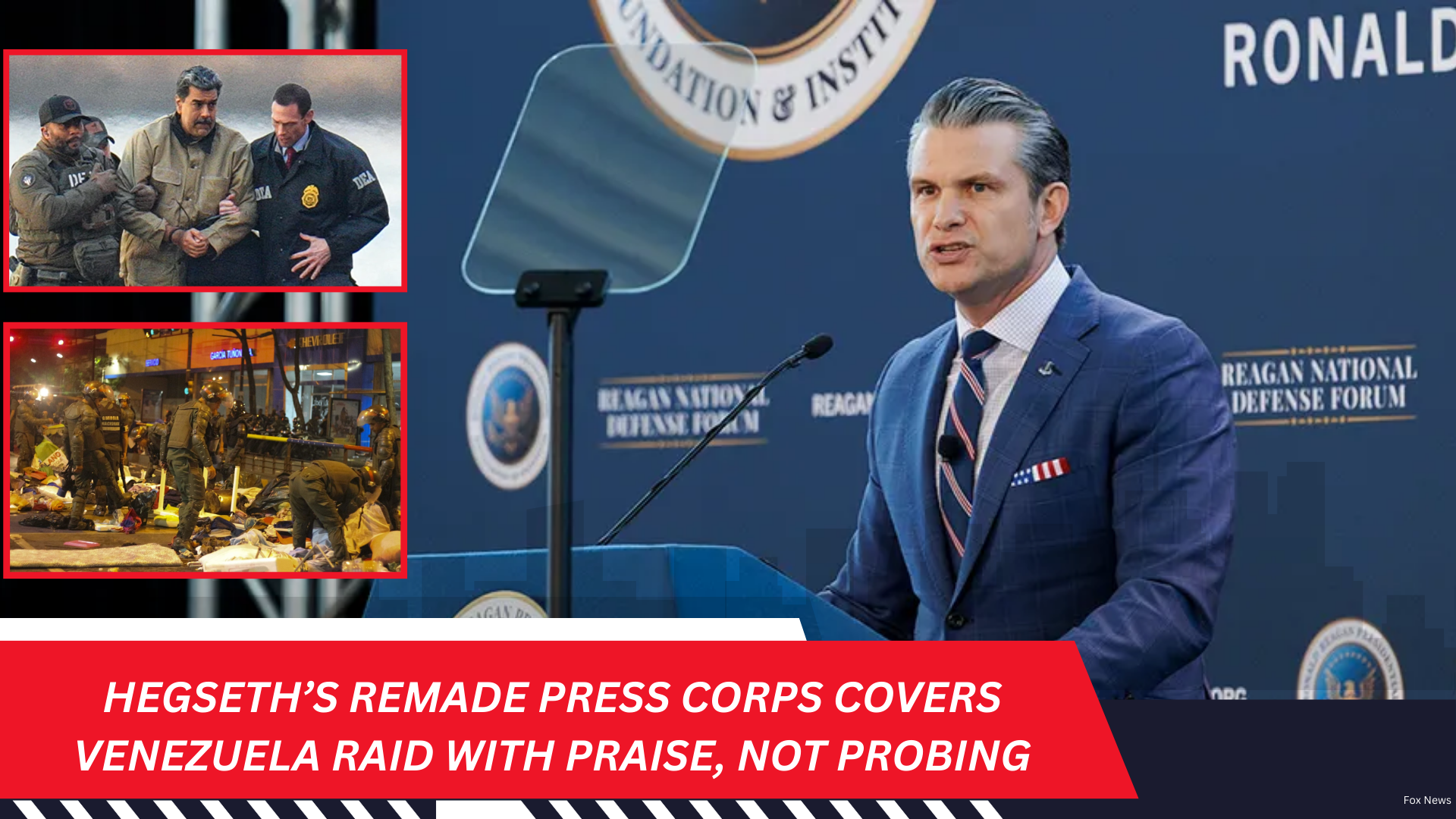
Nicolás Maduro and his wife, Cilia Flores, have arrived in New York under U.S. custody to face federal charges related to narco-terrorism, marking a dramatic escalation in the long-running confrontation between Washington and Venezuela’s leadership. The transfer follows a U.S. military operation in Venezuela that American officials say resulted in their capture and removal from the country.
U.S. authorities allege that Maduro led or facilitated a criminal network that used drug trafficking as a tool of state power, directing large quantities of narcotics toward the United States while cooperating with armed groups designated as terrorist organizations. Flores is accused of playing a supporting role in those activities. Both have denied the allegations in the past, and Venezuelan officials continue to dispute the legality of the operation that brought them to the United States.
The charges stem from indictments that have been on the books for several years, reflecting a sustained U.S. effort to treat alleged corruption and drug trafficking within Venezuela’s leadership as a criminal, rather than purely diplomatic, matter. Prosecutors argue that the case is grounded in evidence collected over an extended period, including testimony from cooperating witnesses and intercepted communications. Defense attorneys are expected to challenge both the substance of the charges and the manner in which the defendants were brought into U.S. jurisdiction.
The arrival of Maduro and Flores in New York places the case squarely within the U.S. judicial system, where proceedings will now follow established criminal process. Initial hearings are expected to address detention, legal representation, and scheduling, while broader questions about jurisdiction and international law are likely to feature prominently in pretrial motions. Legal experts note that while U.S. courts have tried foreign nationals on narcotics and terrorism charges before, the case of a sitting—or recently removed—head of state is exceptionally rare.
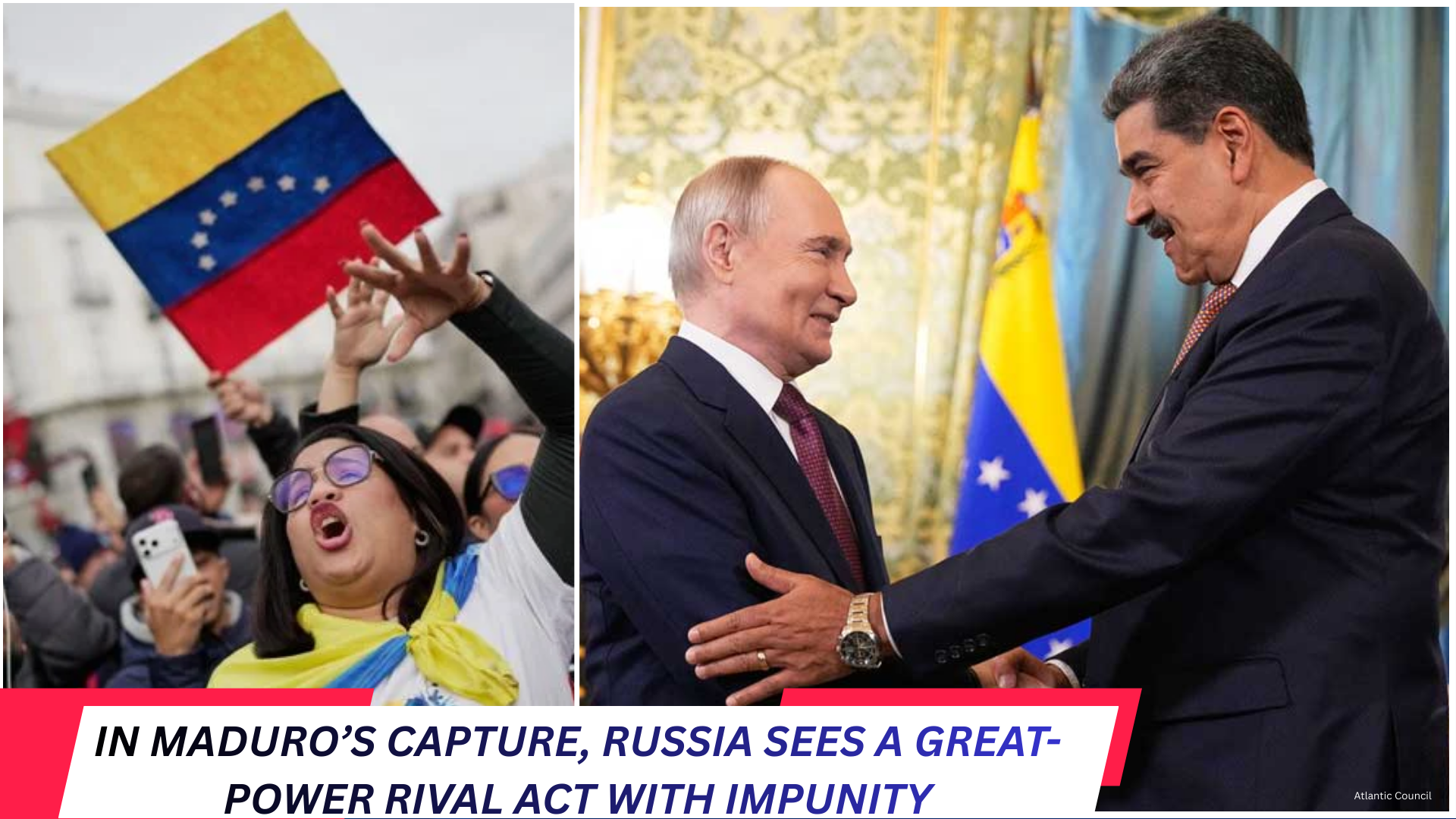
Reaction abroad has been swift and divided. Several governments have condemned the capture and transfer as a violation of Venezuelan sovereignty and international norms, warning that it sets a dangerous precedent. Others, while stopping short of endorsing the operation, have emphasized concerns about corruption and criminality in Venezuela’s governance and called for due process and restraint as the case proceeds.
Within the United States, the development has intensified debate over presidential authority and the use of military force in support of law enforcement objectives. Supporters of the administration argue that enforcing indictments against powerful figures demonstrates accountability and reinforces the rule of law. Critics counter that the blending of military action and criminal prosecution risks eroding international legal standards and entangling the United States in prolonged political and security commitments.
The case also carries broader implications for Venezuela’s future. With Maduro removed and facing trial abroad, questions remain about political succession, internal stability, and the role of external actors in shaping the country’s path forward. U.S. officials have said their focus is on security and legal accountability, though statements about temporary oversight and economic involvement have fueled uncertainty about longer-term intentions.
For now, the focus shifts from the battlefield to the courtroom. The proceedings in New York will test not only the strength of the government’s case, but also the durability of legal frameworks designed to address transnational crime at the highest levels of power. The outcome is far from certain, but the significance of the moment is clear: a dispute that has simmered for years on the diplomatic stage has entered a new and consequential phase under the scrutiny of the U.S. justice system.